
PROJECT A - 2025
Interaction Design in the Shopping Experience of Senior Citizens
Year
2025
Duration
8 months
My Role
Sole responsibility
Project Scope
INTERACTION DESIGN
PRODUCT DESIGN
UX RESEARCH
Tools
INDESIGN
FIGMA
PHOTOSHOP
ILLUSTRATOR
ARDUINO IDE
MIRO
EXCELL
Context
O crescente envelhecimento populacional tem trazido consigo novos desafios e preocupações, que incidem sobre todo o tipo de situações diárias. Este novo panorama demográfico realça a necessidade de existirem produtos, serviços e sistemas que considerem as limitações e necessidades que advêm, entre outras coisas, da idade de cada utilizador. Isto adquire um destaque particular quando se considera a atual experiência de compra em grandes superfícies comerciais e a falta de tentativas ou soluções adequadas para se minimizar as dificuldades dos idosos durante a realização da mesma, tanto a nível das tecnologias, como daquilo que o espaço de compra oferece. Em resposta a isto, surge este projeto que incide sobre as possibilidades de adaptação e facilitação do atual processo de compra para uma população envelhecida.
What was done?
Observation
Interviews
Concept Map
Parallell Prototyping
Prototype Evaluation
System Flow
User Journeys
User Flows
Sketches
Storyboards
Wireframes
Arduino Programming
Interactive Device
Low-Fidelity Website
PHASE 1 – THEORETICAL FRAMEWORK
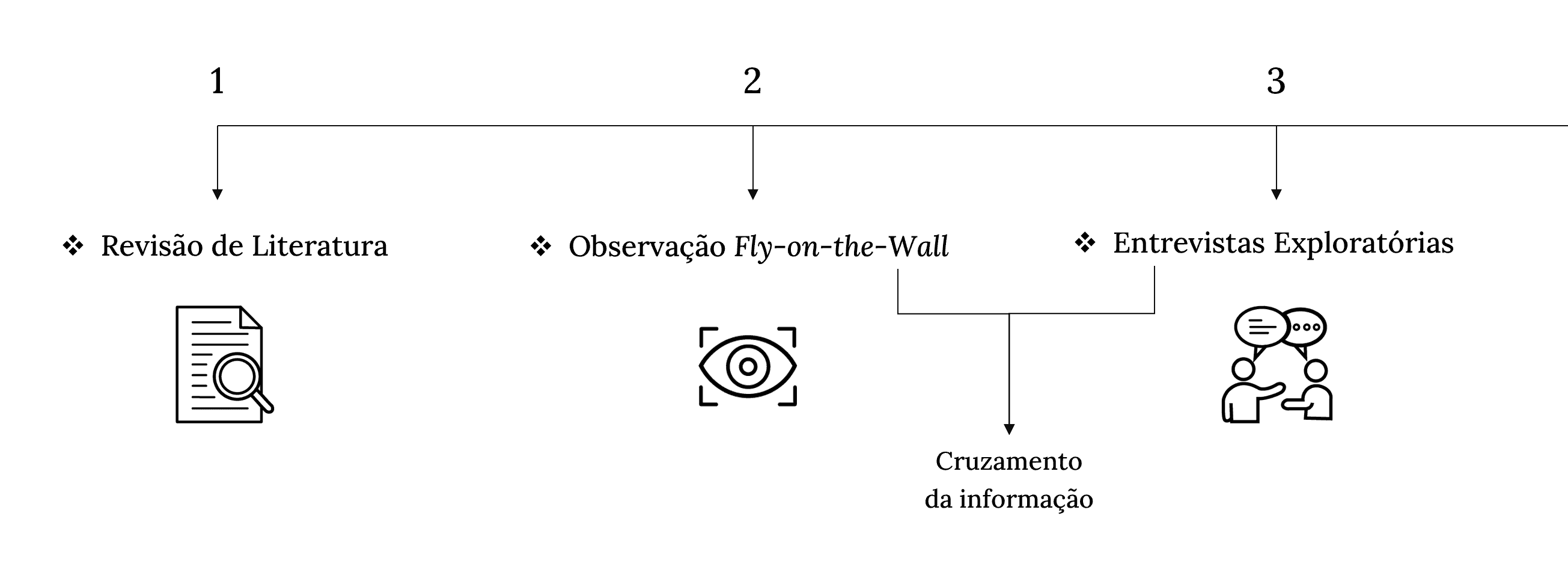
The first stage of the project focused on analysing the shopping experience of older people in large retail outlets, such as supermarkets and hypermarkets. It began with a ‘fly-on-the-wall’ observation, organised according to the AEIOU model, followed by exploratory interviews with store employees, and finally cross-referencing and analysis of the information obtained. It should be noted that a preliminary literature review was conducted focusing on the concept of the older consumer and the shopping environment
Process Diagram
PHASE 2 – IDEATION
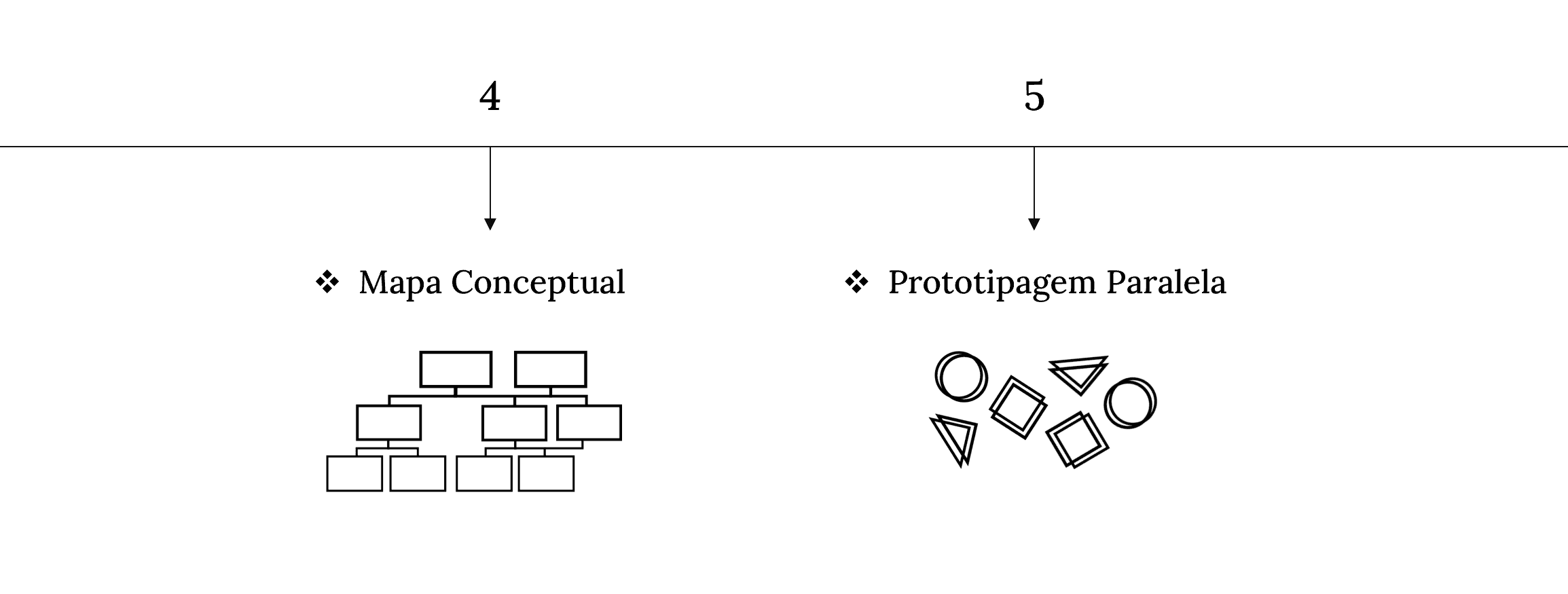
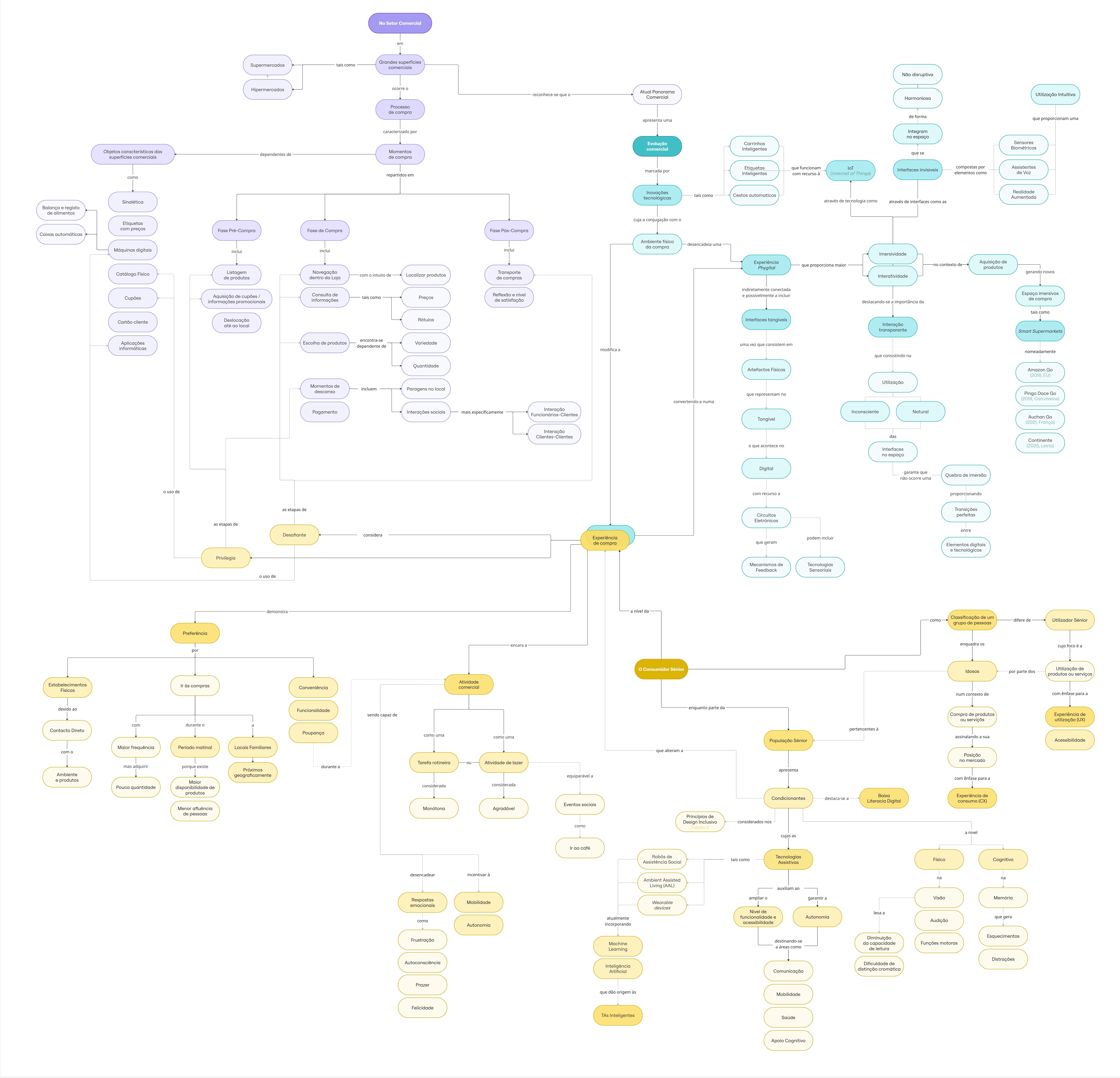
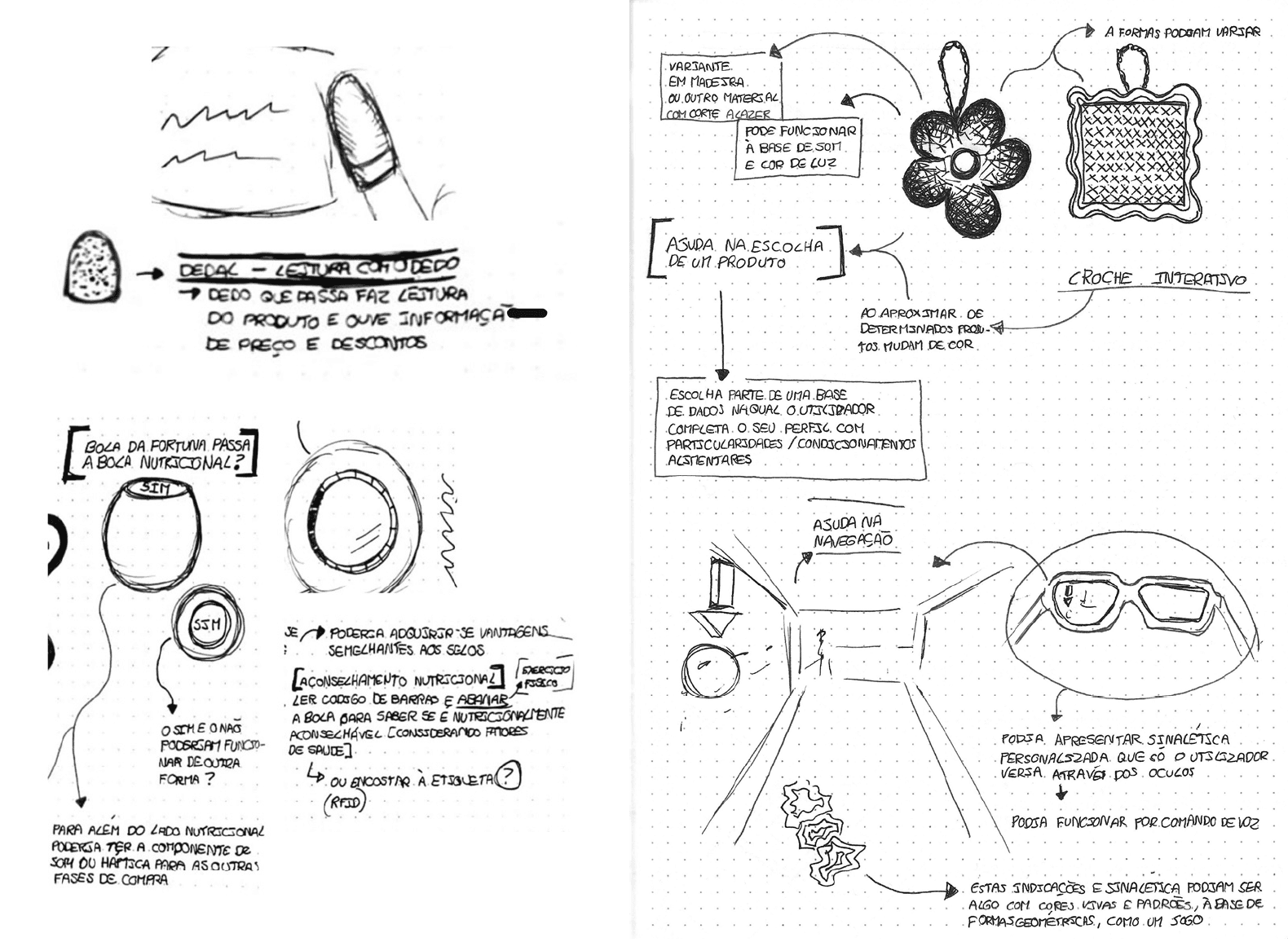
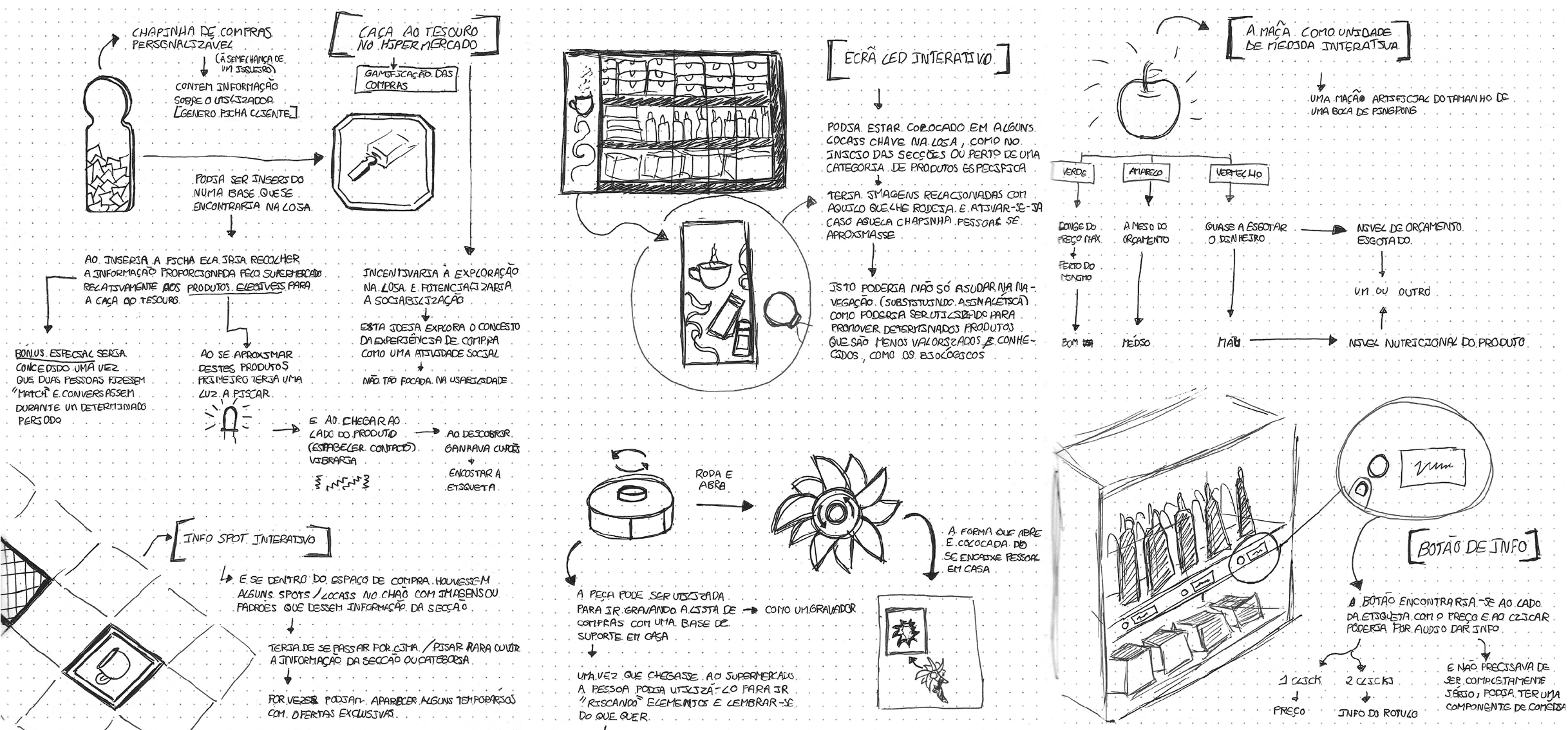
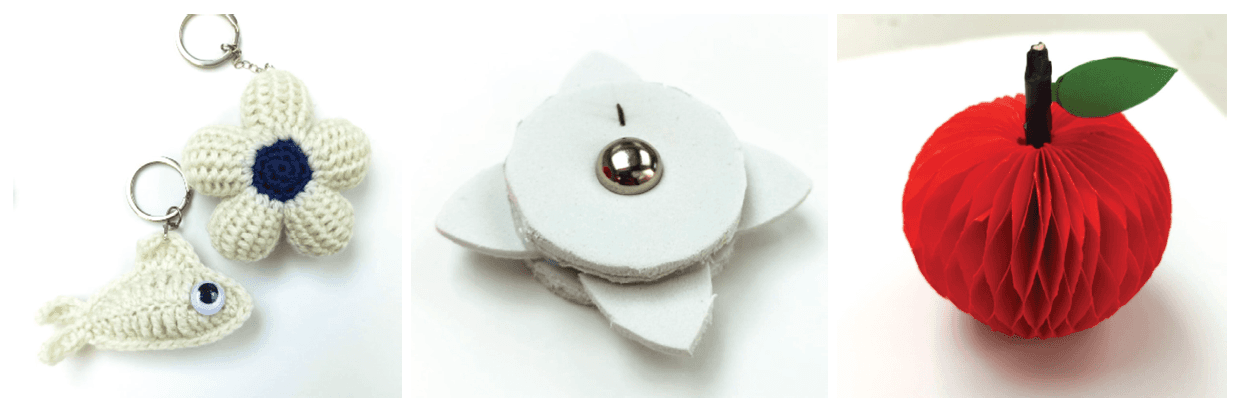
The second stage of this project was devoted to consolidating the information gathered previously, by using a concept map, which then provided input for the parallel prototyping. Here, the key aspects of the context under study were addressed and all stages of the specified prototyping method were carried out, from preparation to procedures and results. It should be noted that this phase of the research serves as a precursor to the final concept, as it was here that most of the ideas originated and where the closest direct contact with the target audience was established from the outset of the project, particularly when gathering feedback on the proposed solutions.
Process Diagram
Concept Map
Parallell Prototyping
PHASE 3 – FINAL CONCEPT AND PROTOTYPING
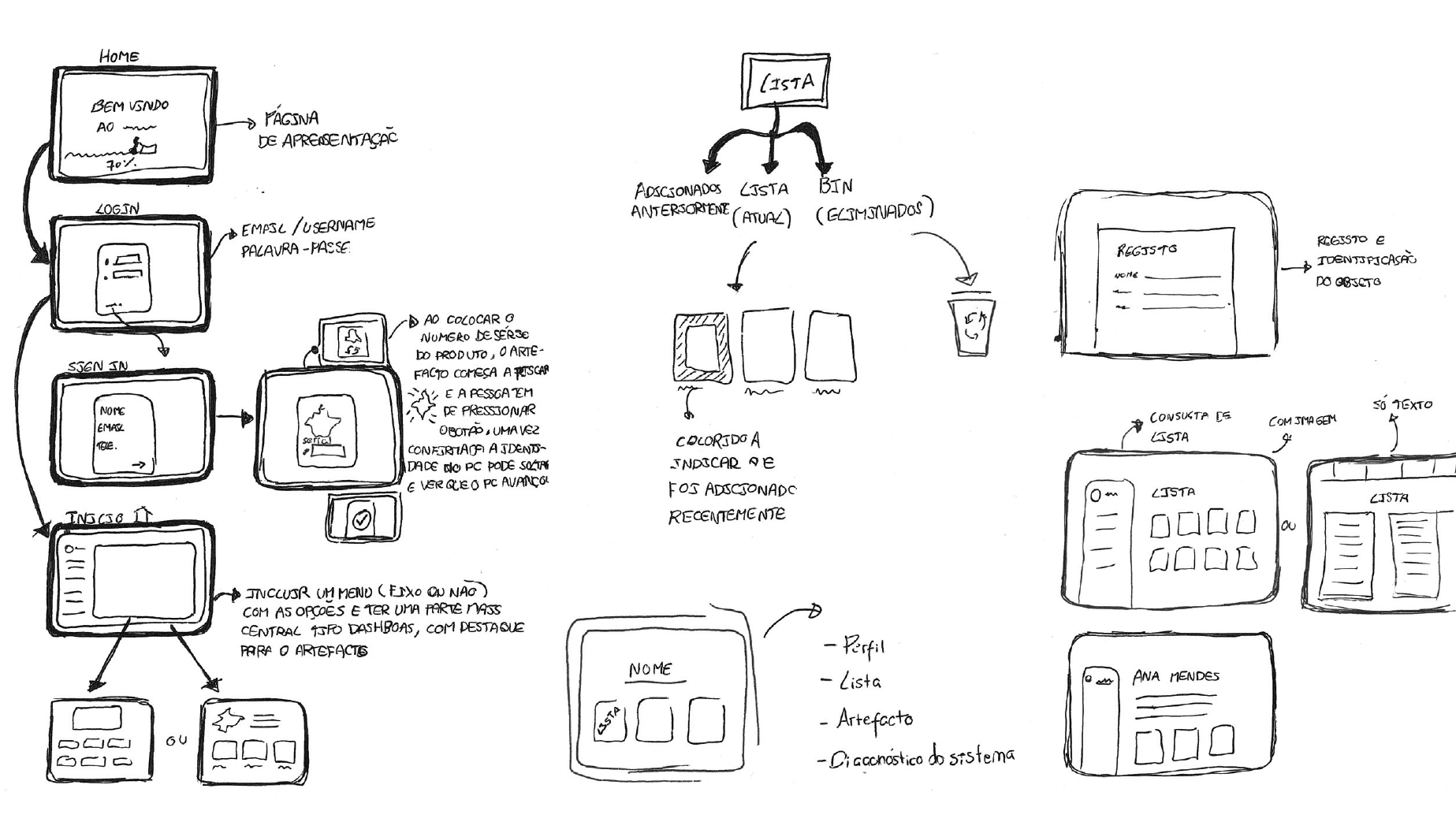
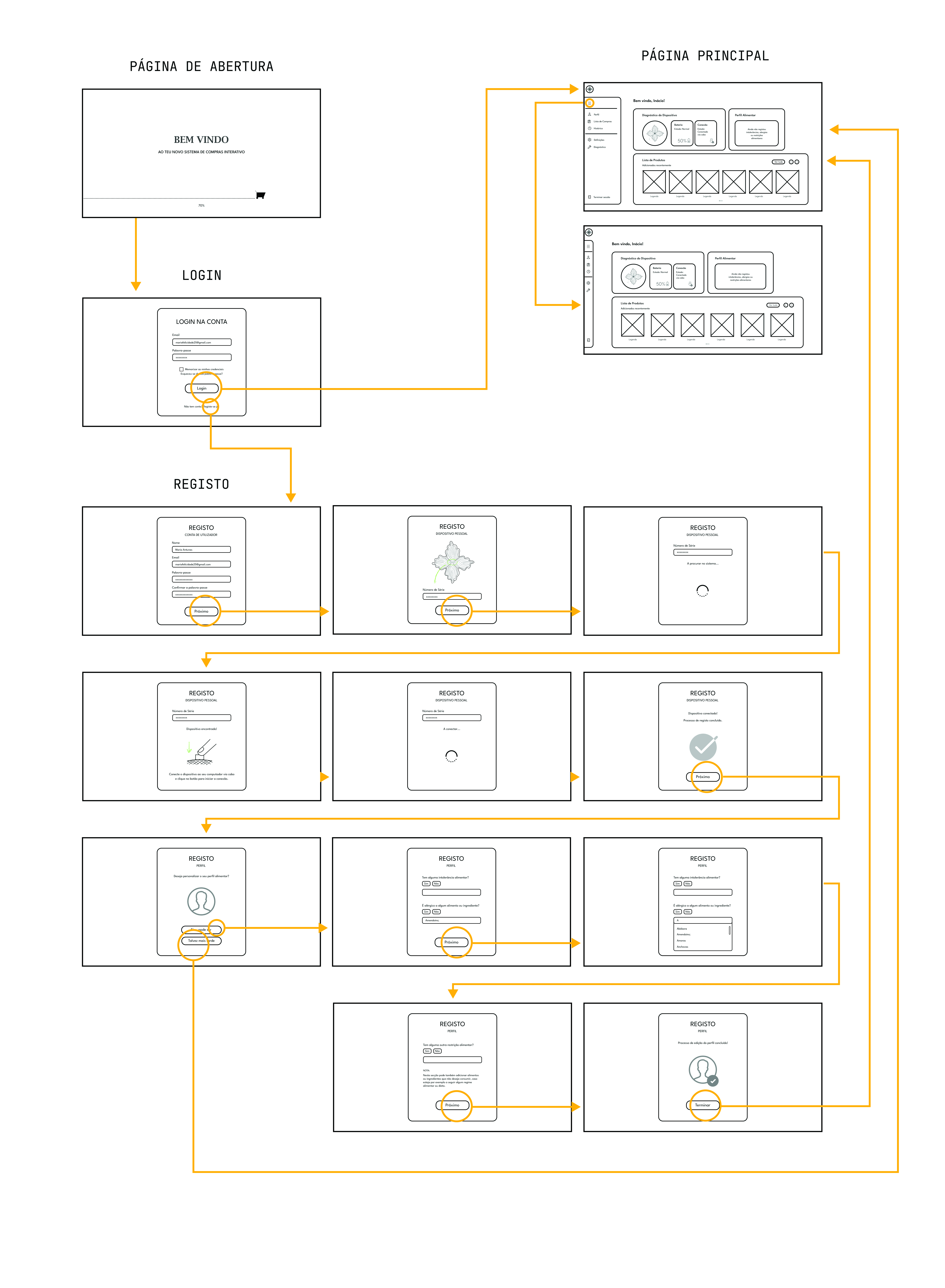
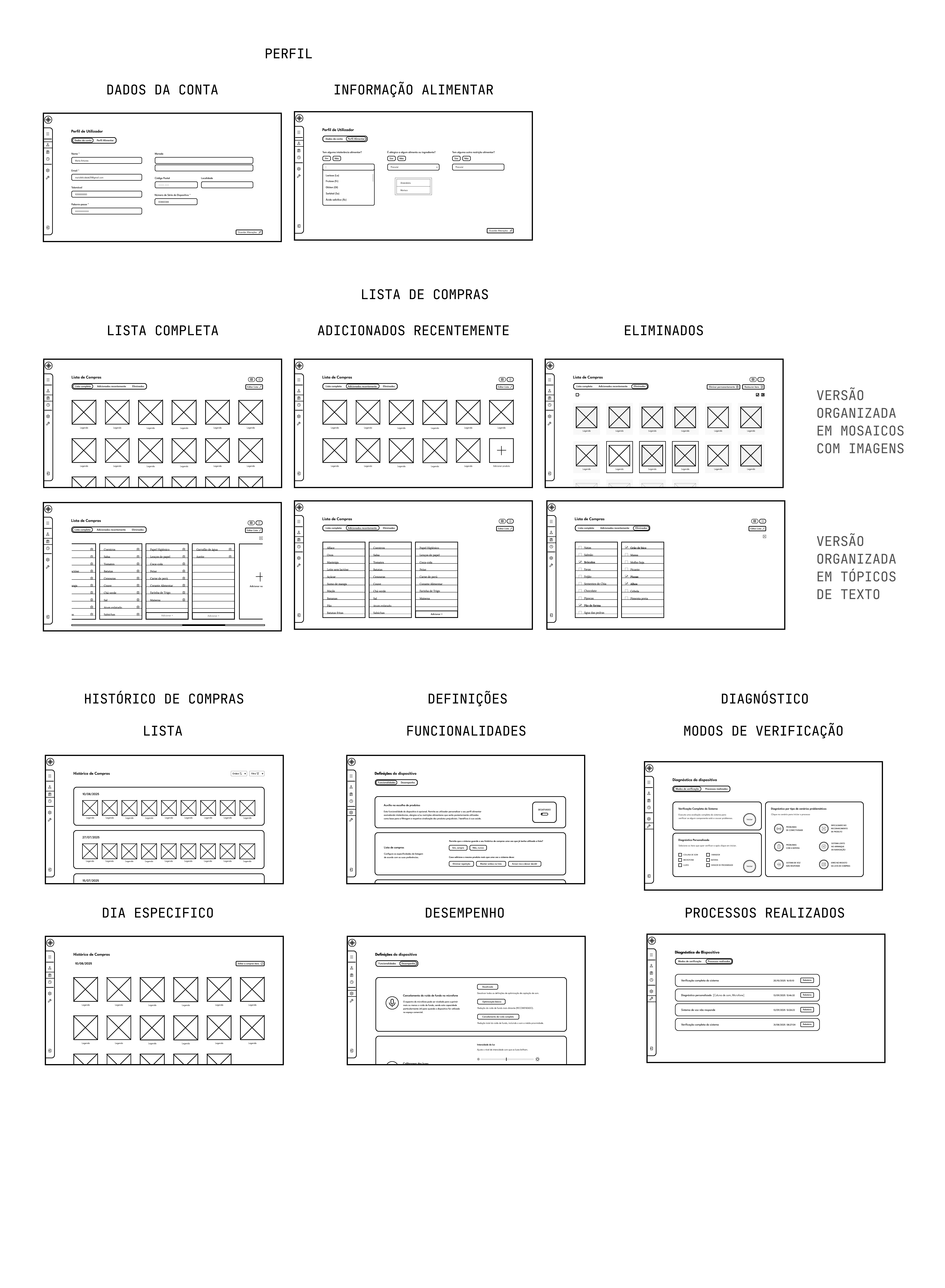
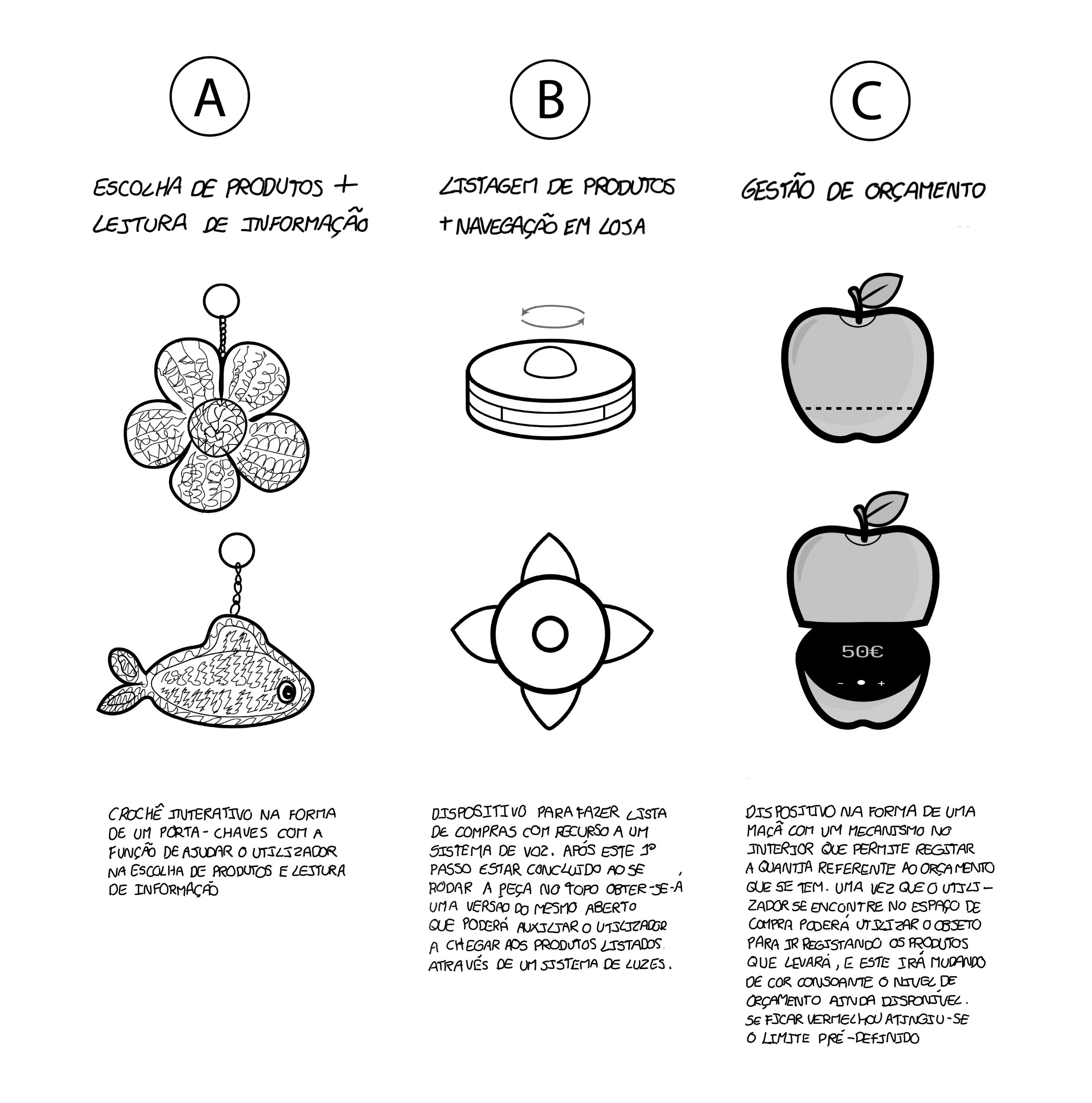
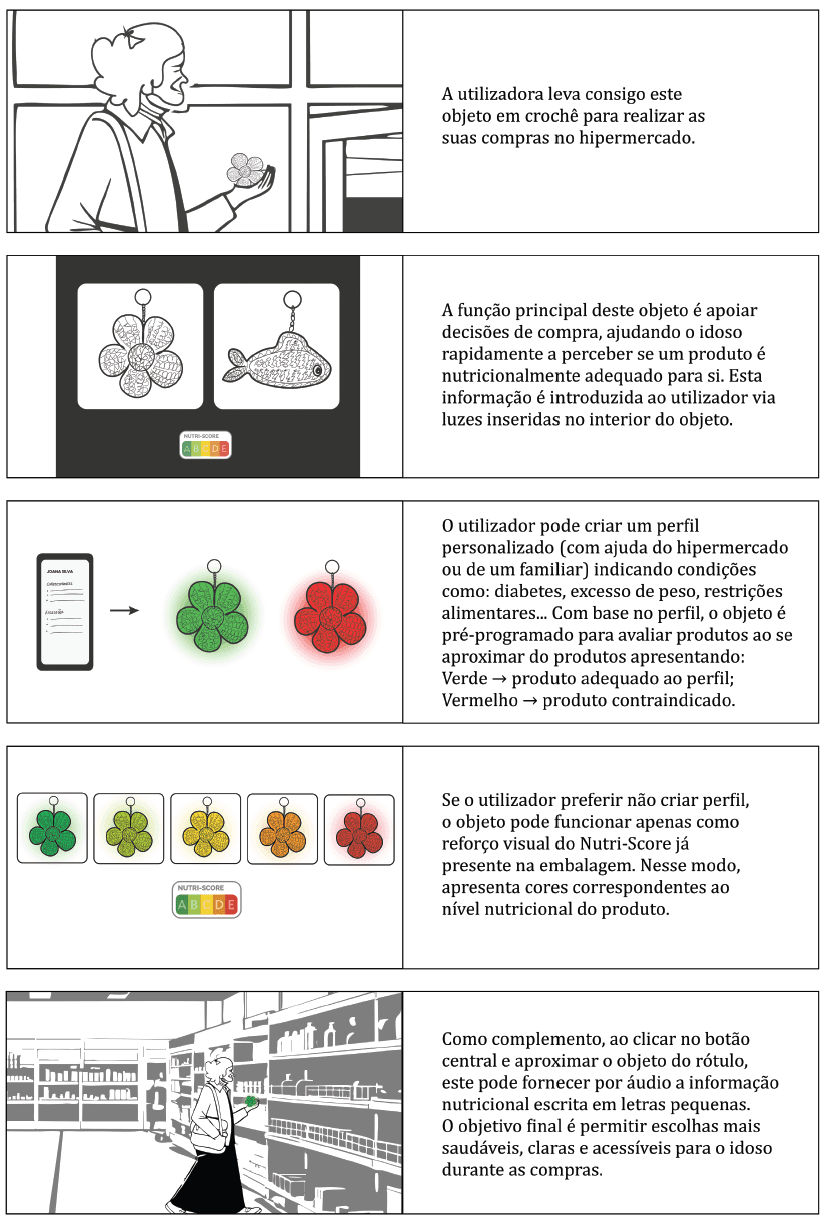
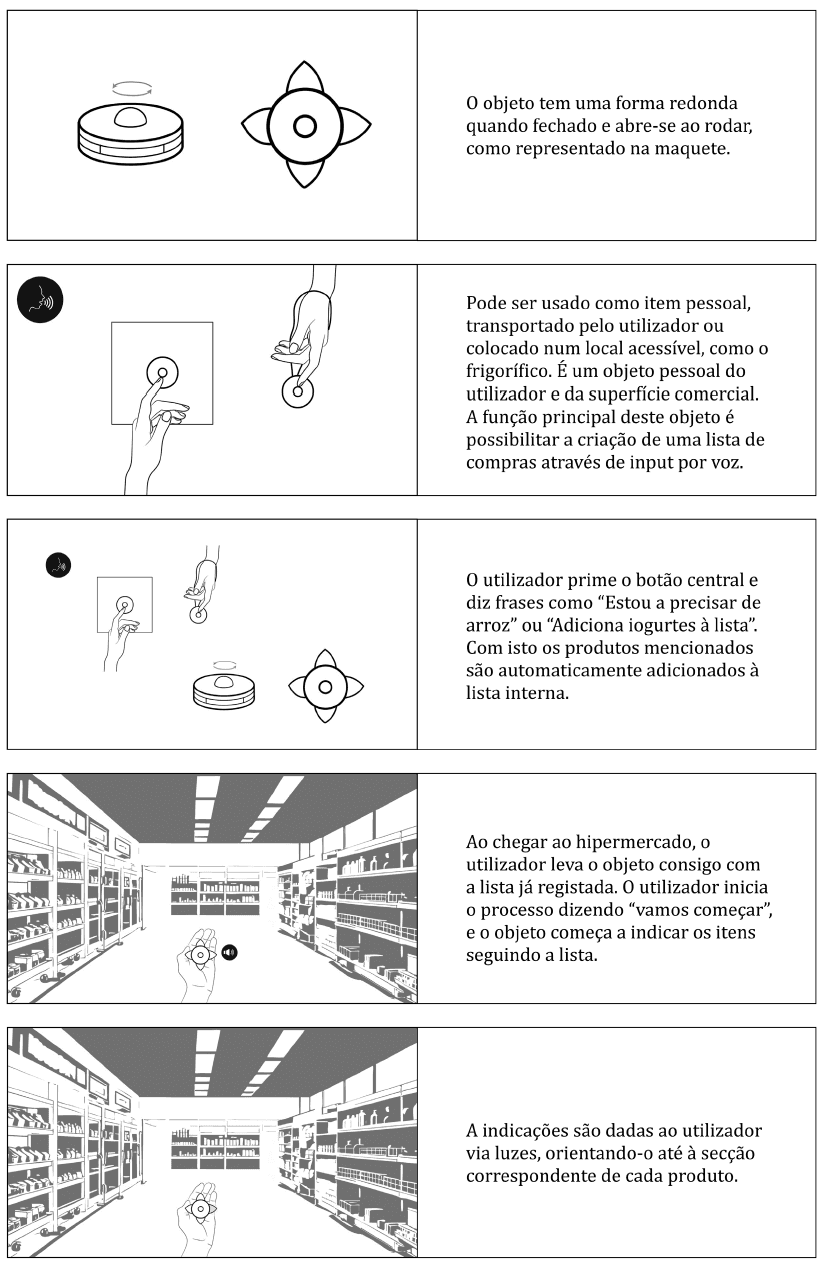
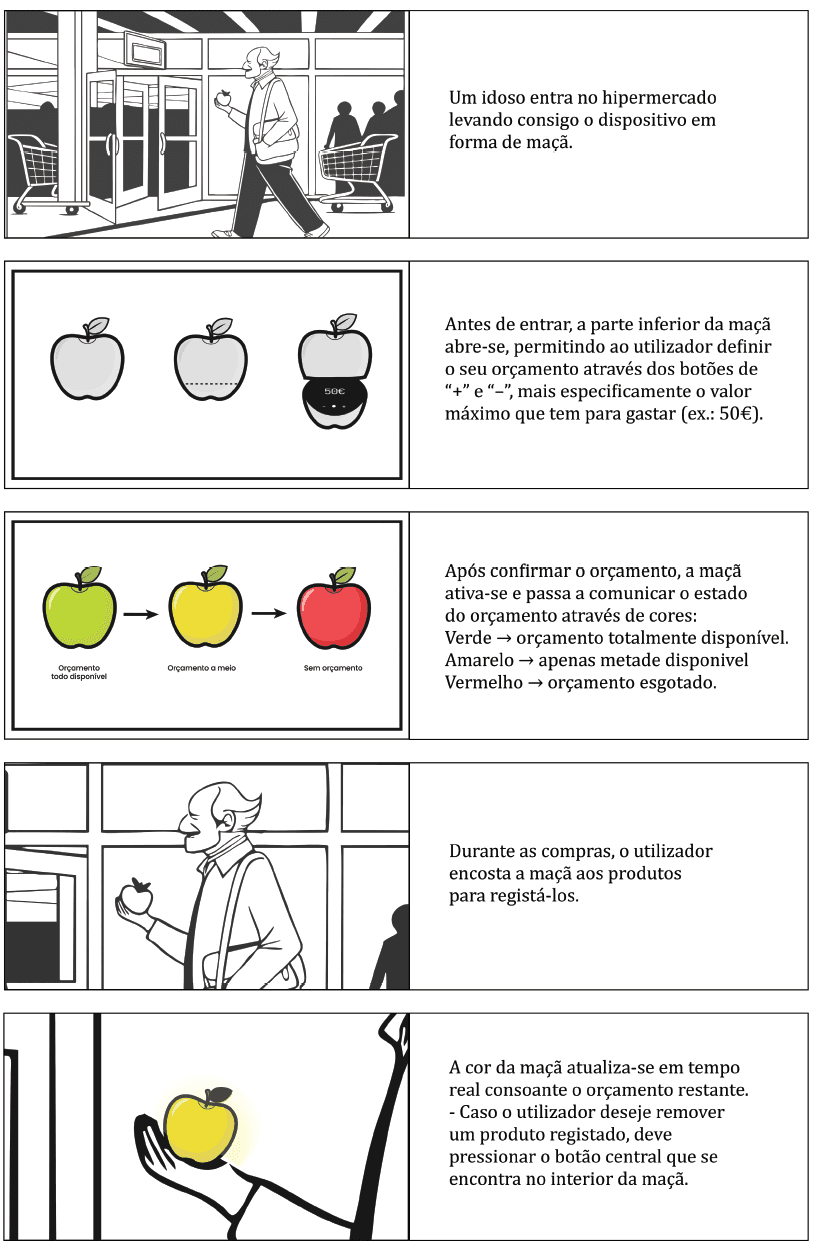
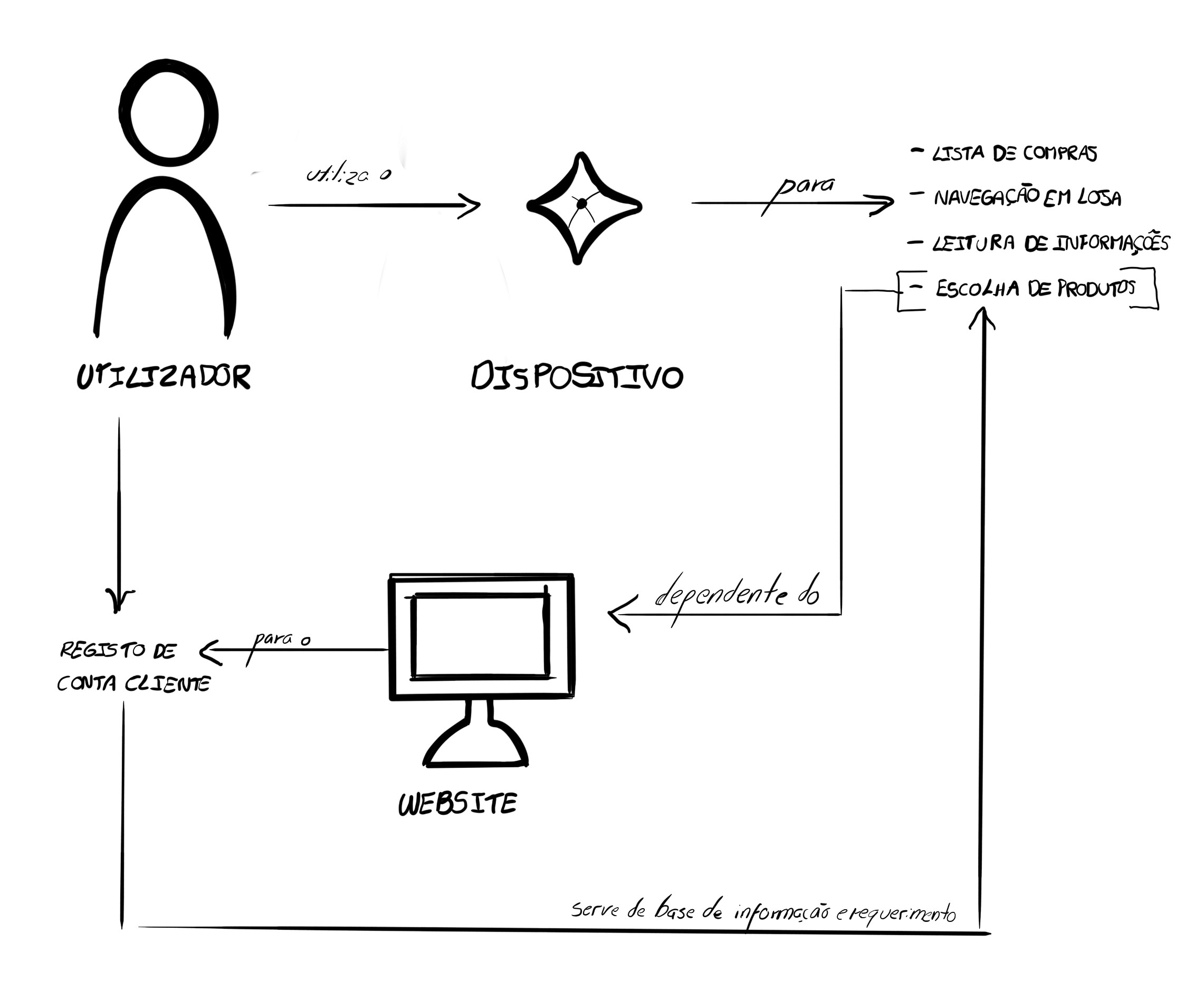
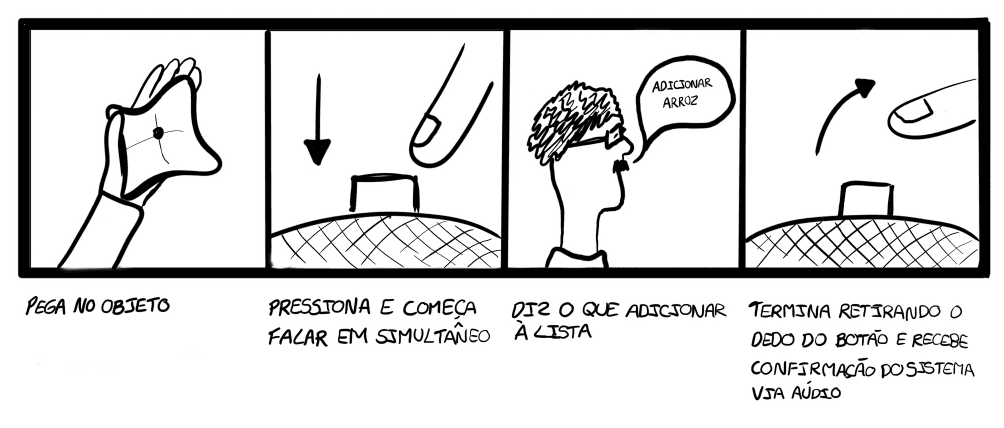
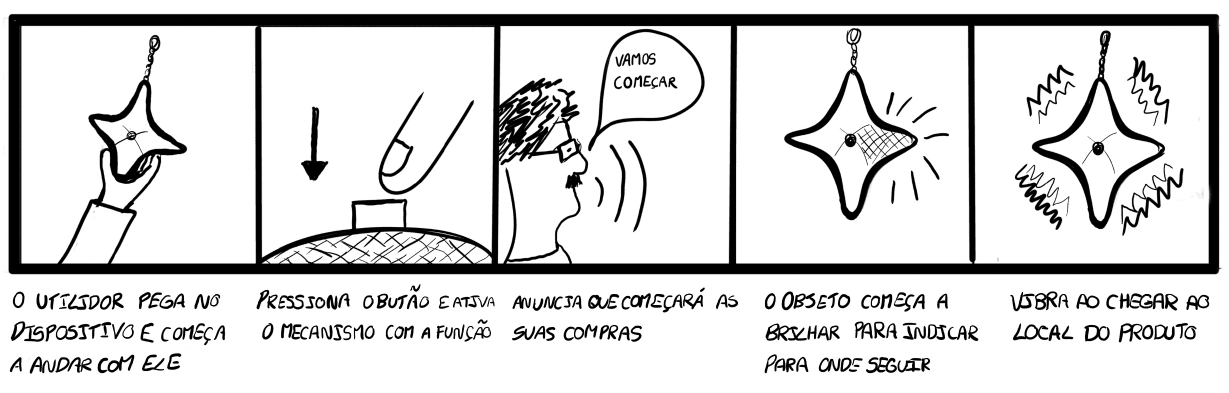
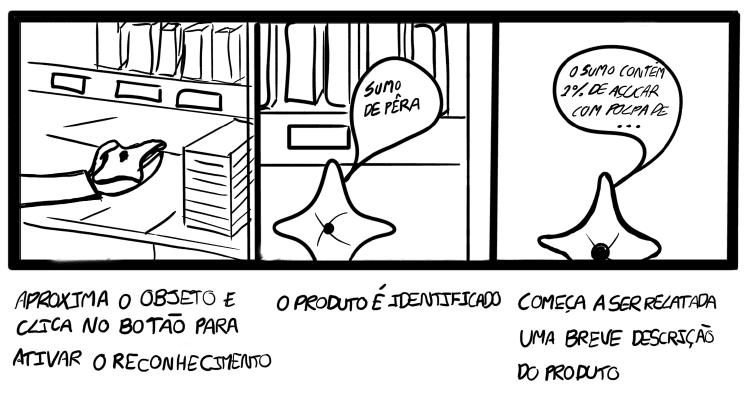
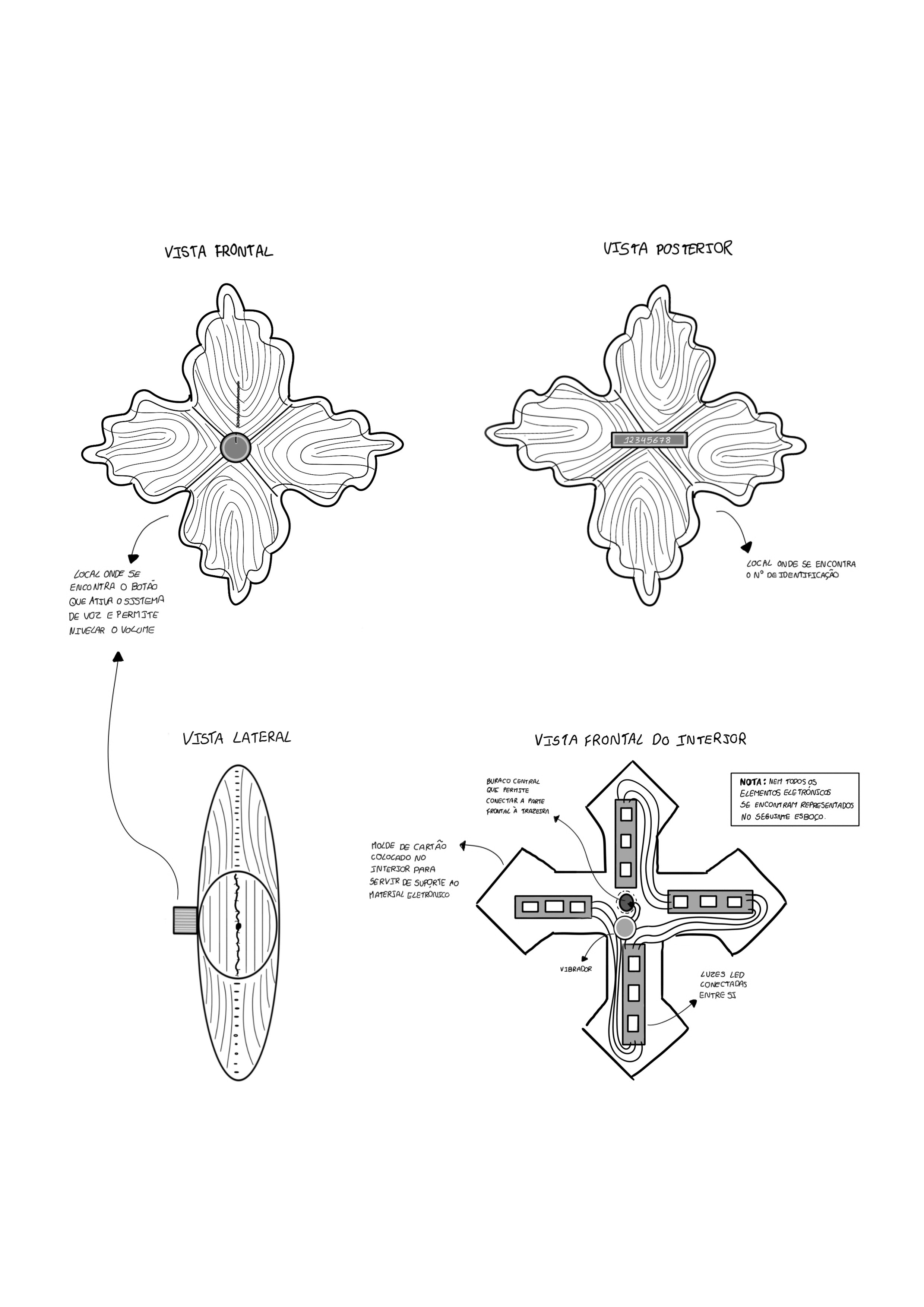
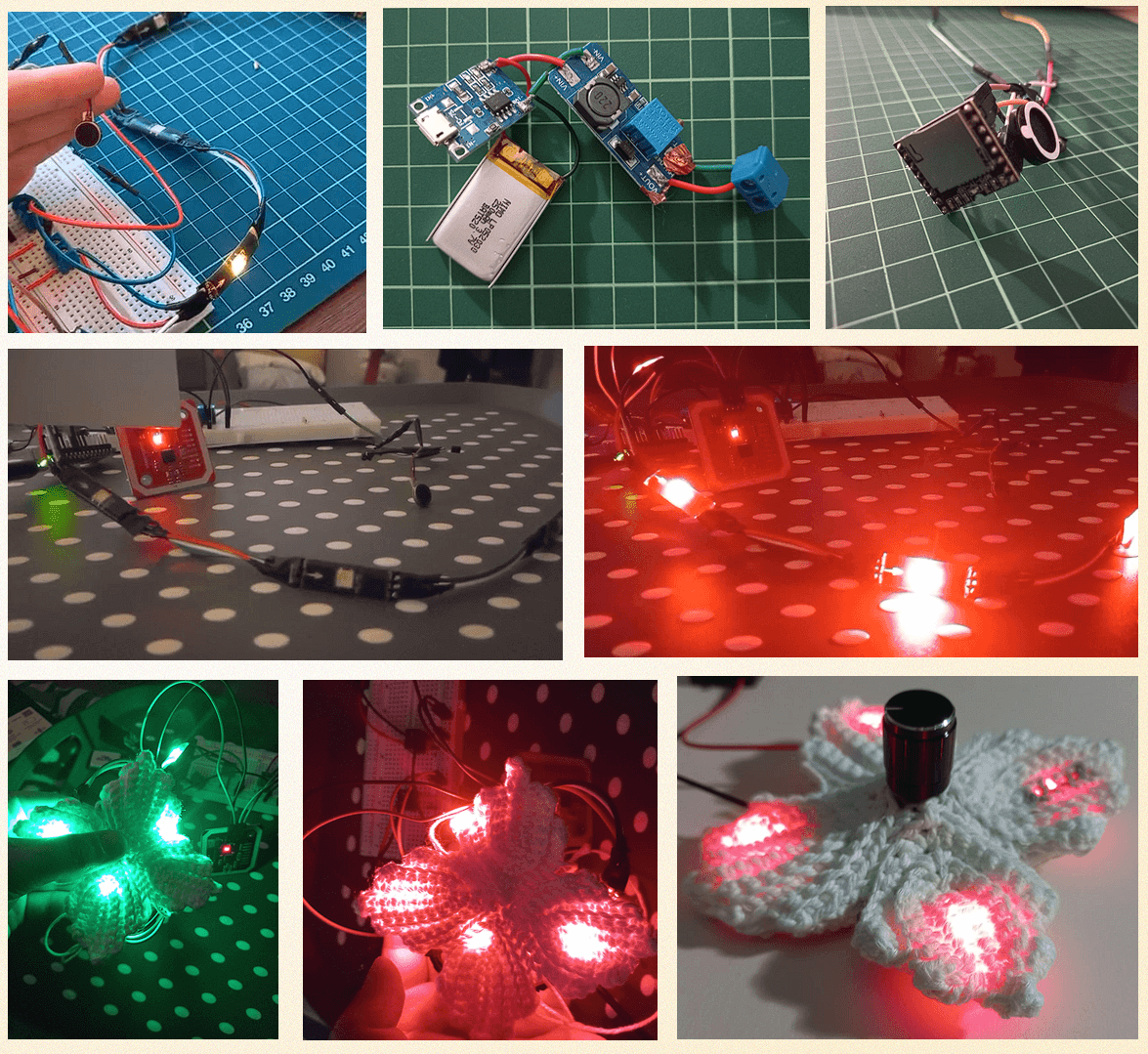
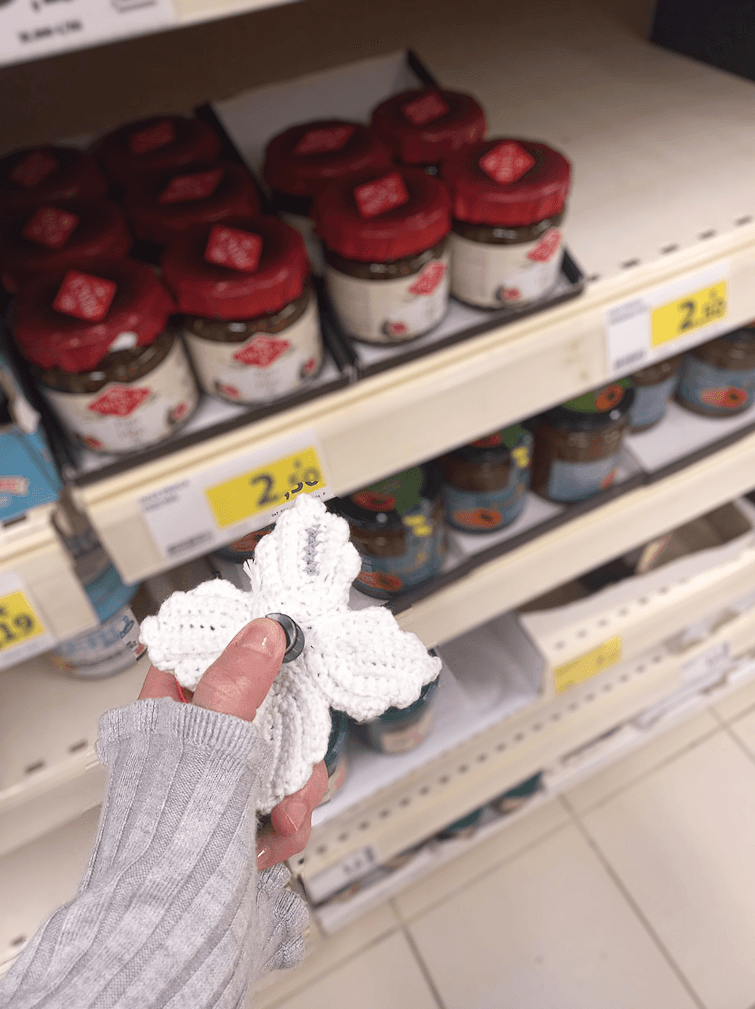
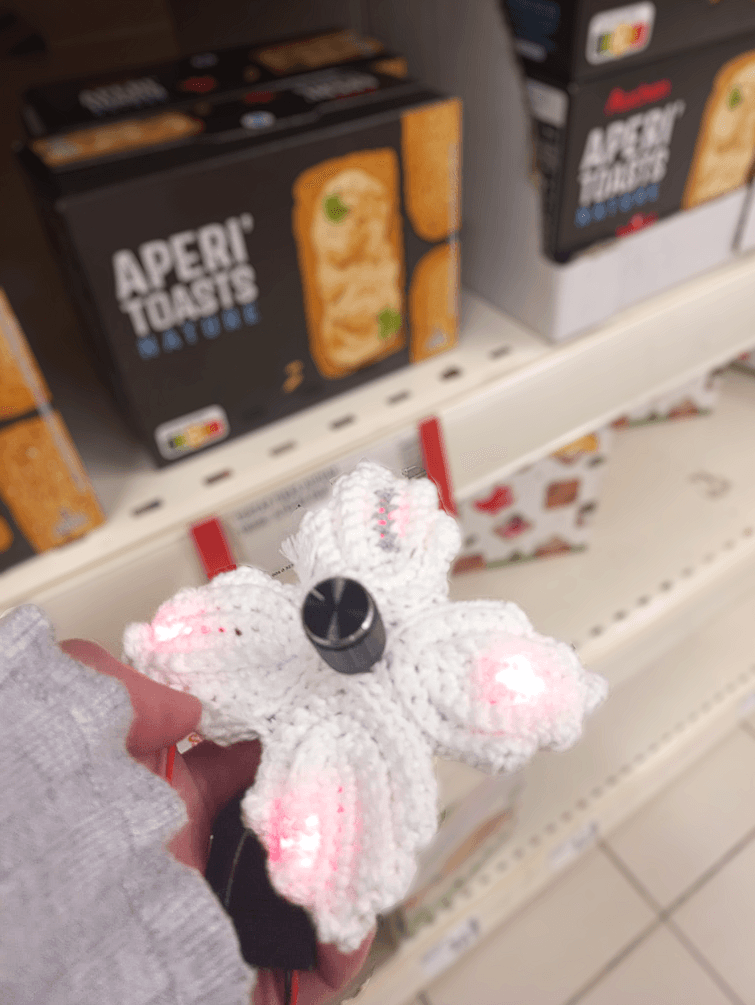
Finally, with the results from the previous phase in mind, it was time to develop the final concept and create a prototype. The first part of this stage, which focused on refining the idea, involved the creation of conceptual diagrams, user journeys, user flows and storyboards. The prototyping process itself, meanwhile, consisted of multiple studies and attempts, which generated iterations both in terms of the form of the developed object and the configuration of the technological elements contained within it. Ultimately, this extensive process of research through design resulted in a final, optimised, semi-functional prototype.
Process Diagram
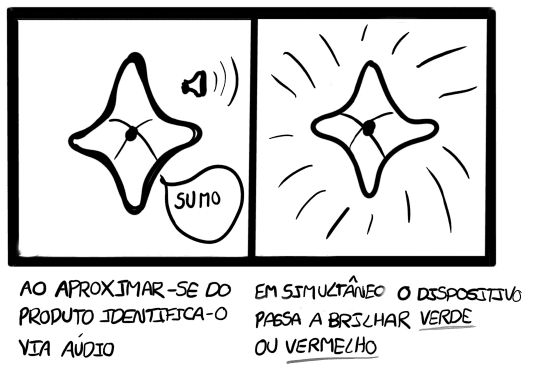
Final concept definition & Storyboards
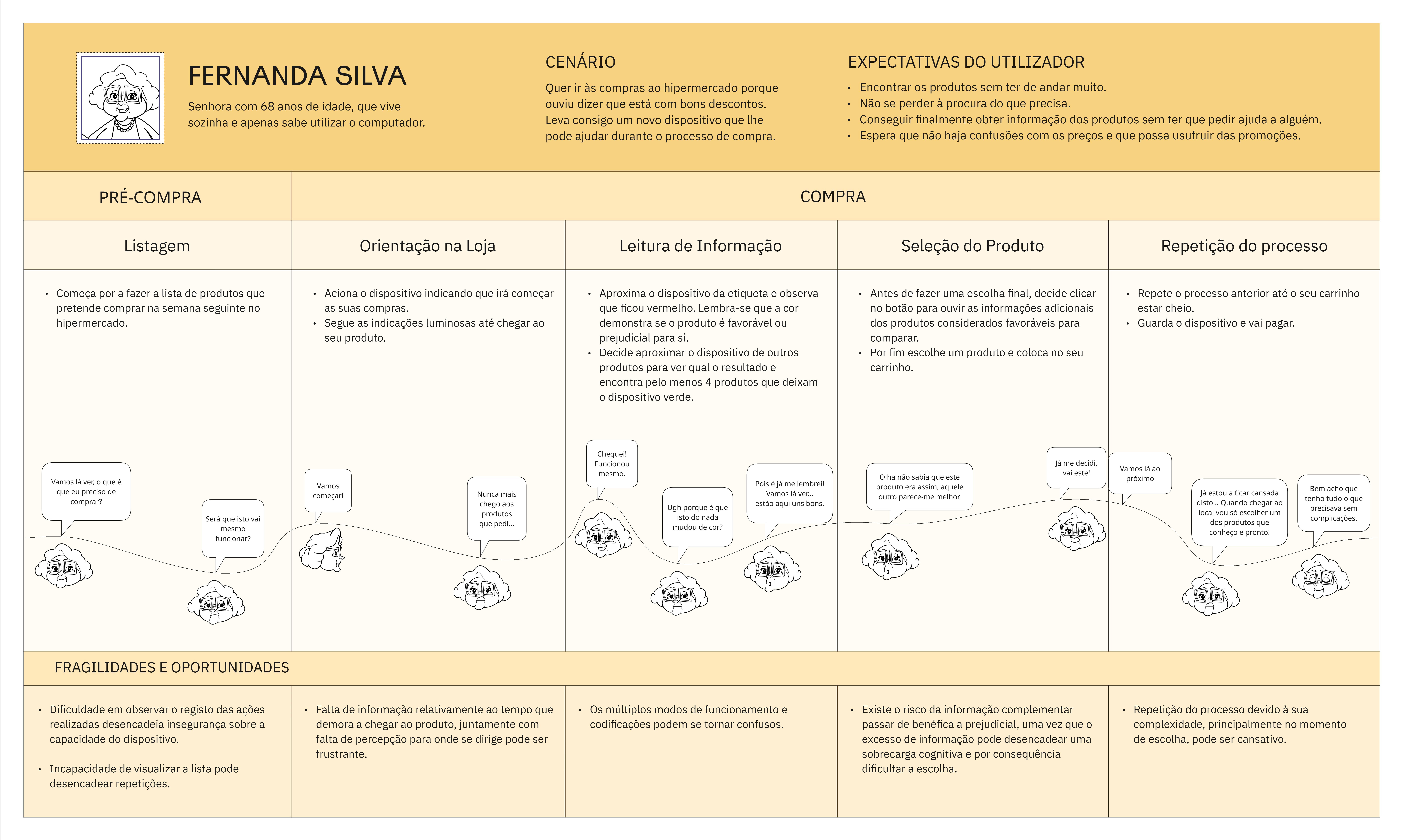
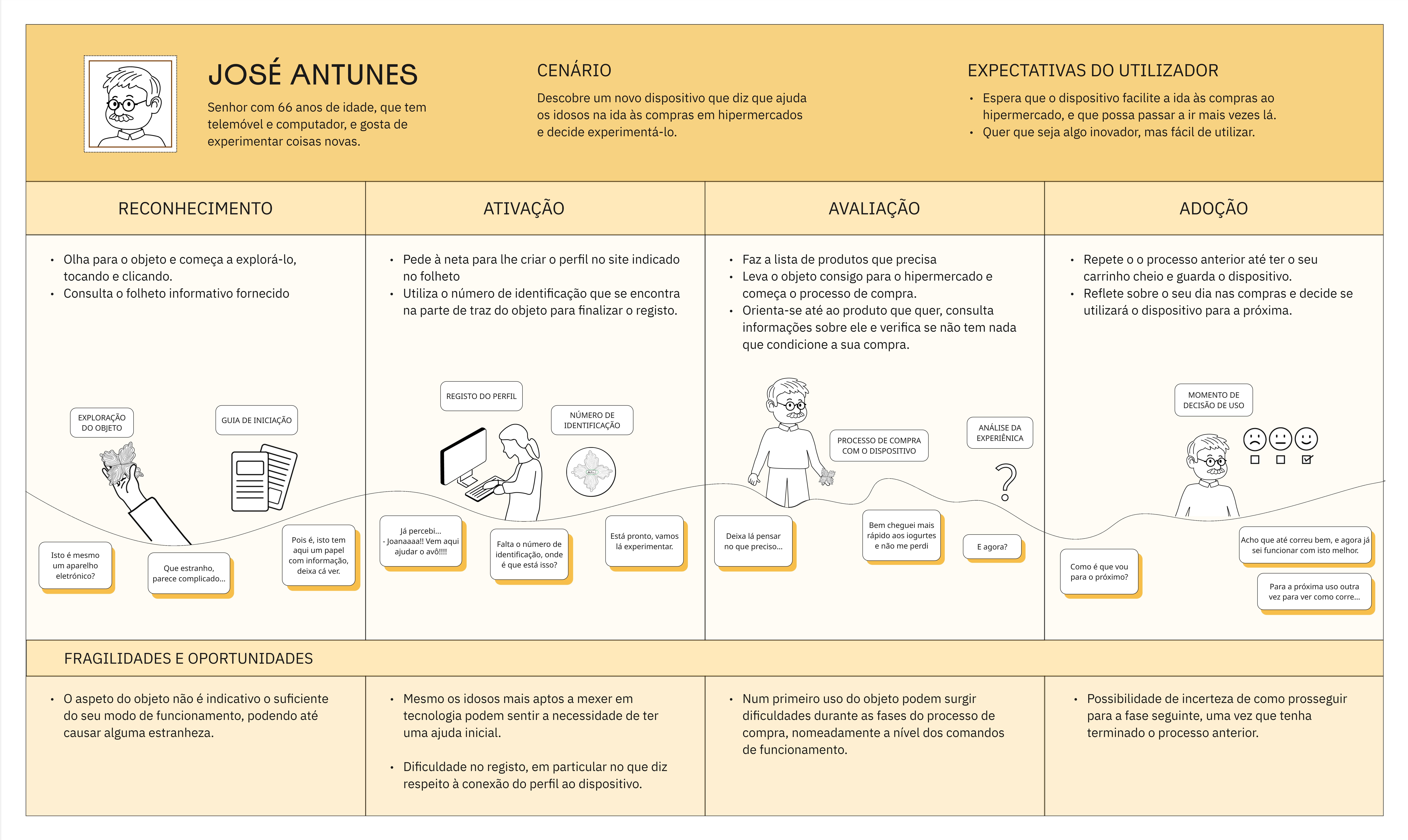
User Journeys
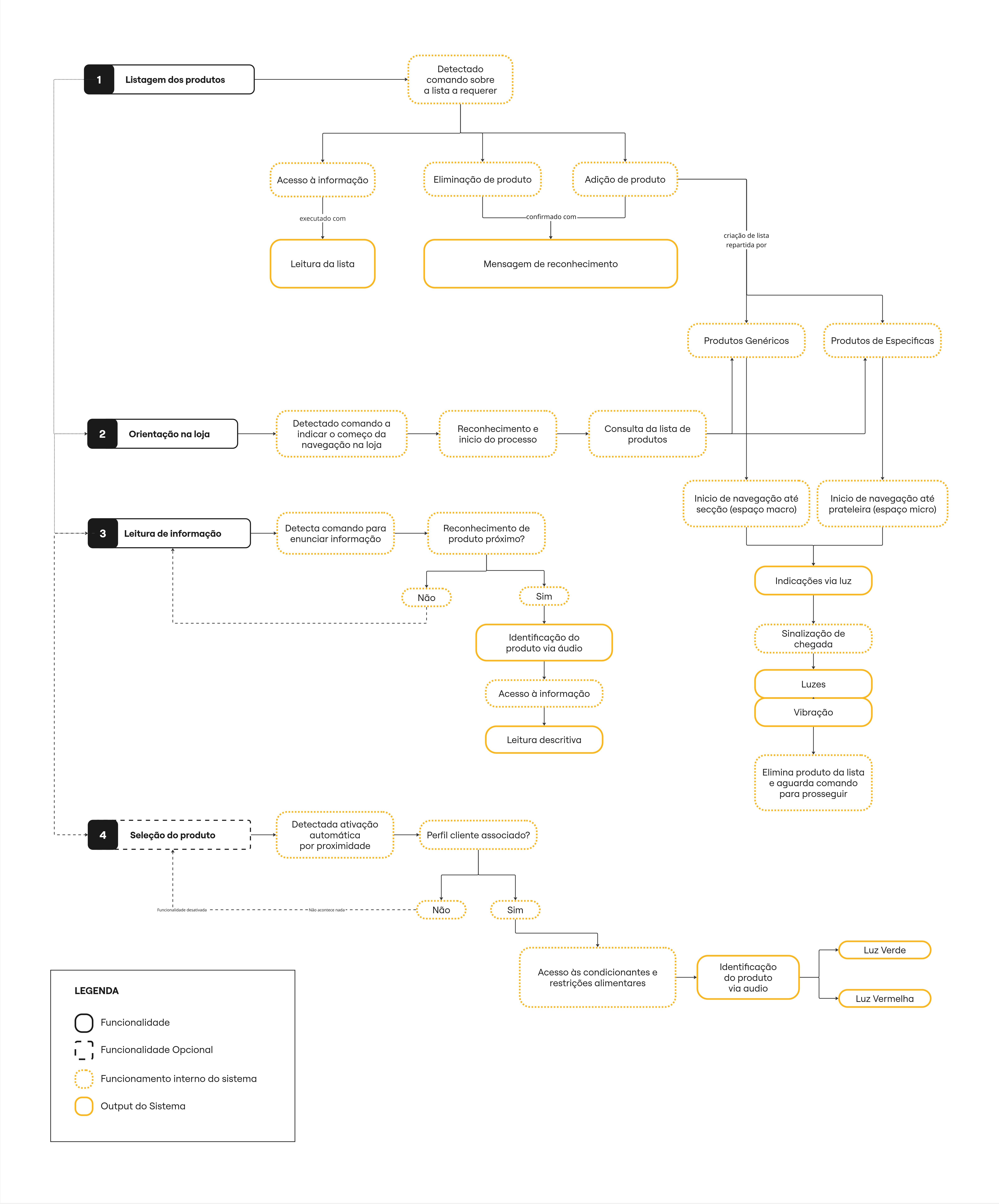
System Flow & User Flows
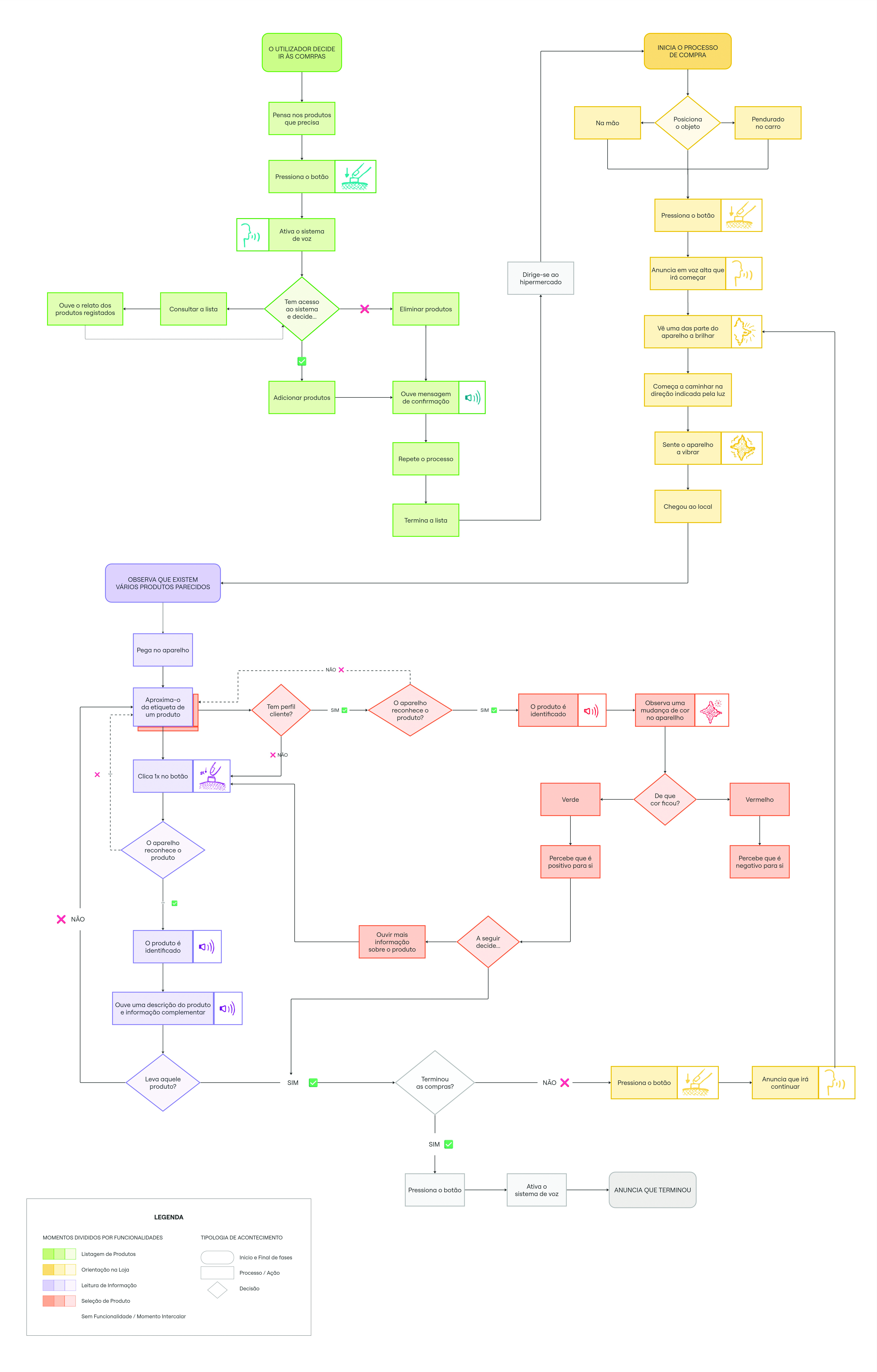
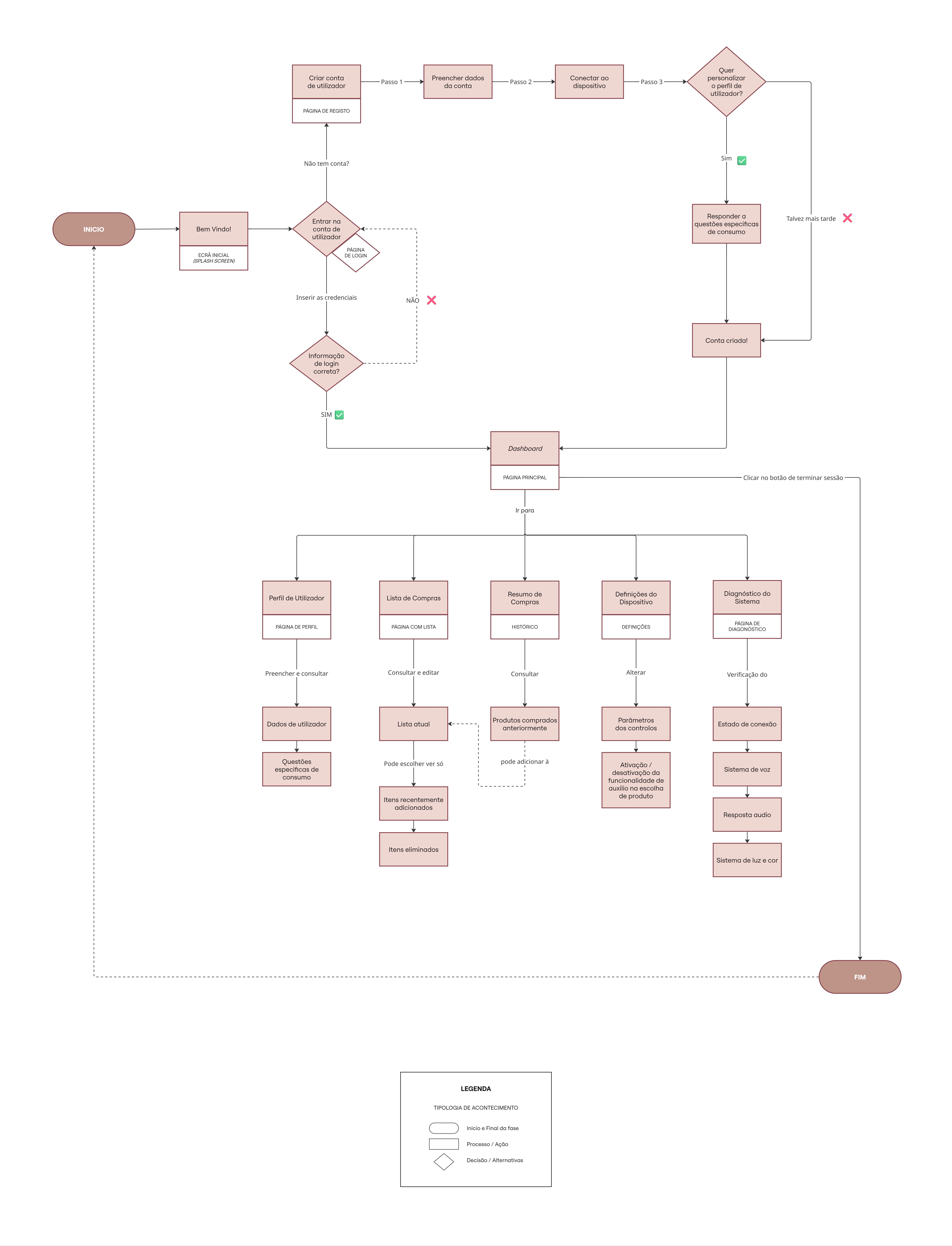
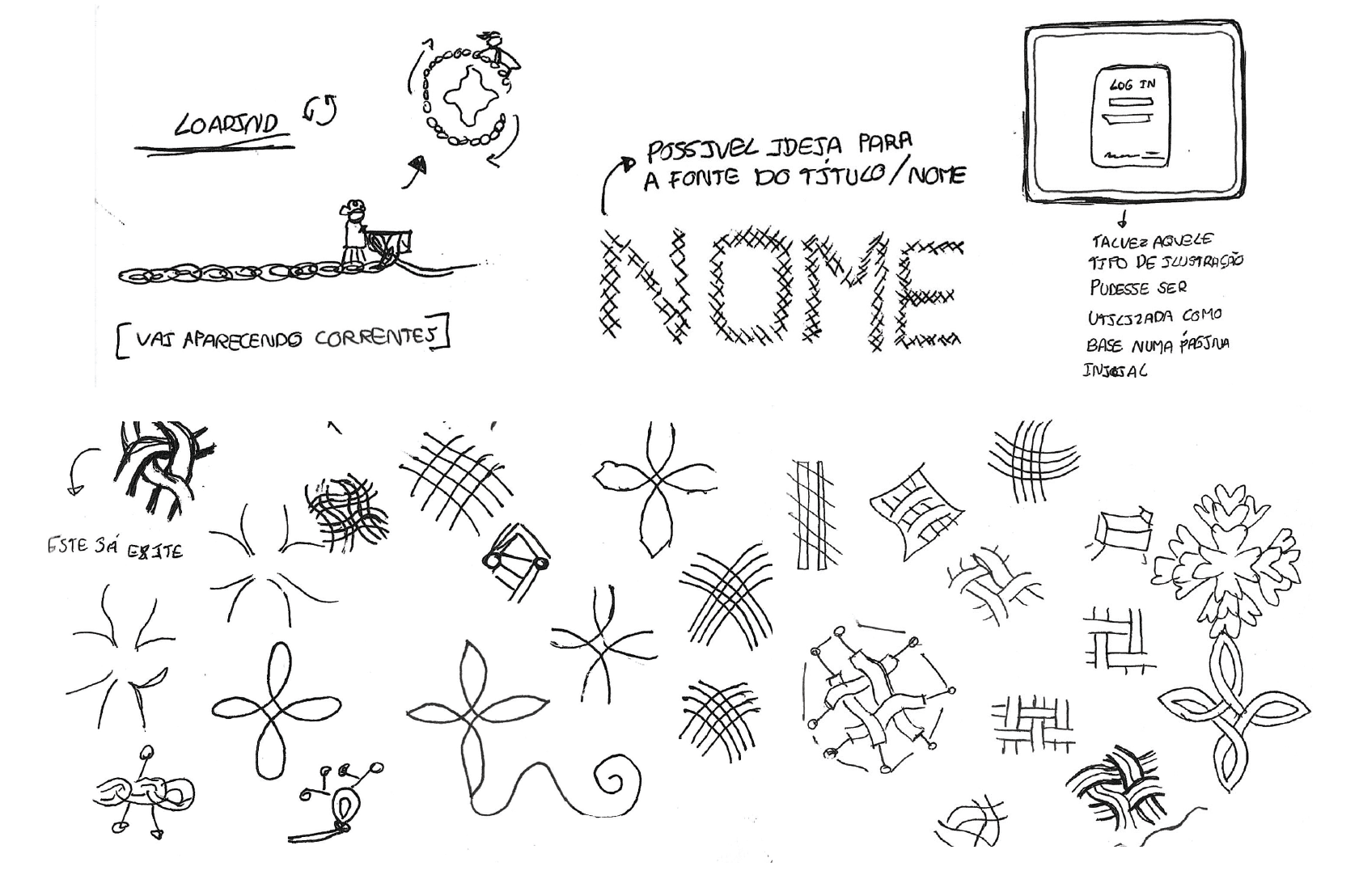
Product diagrams and sketches
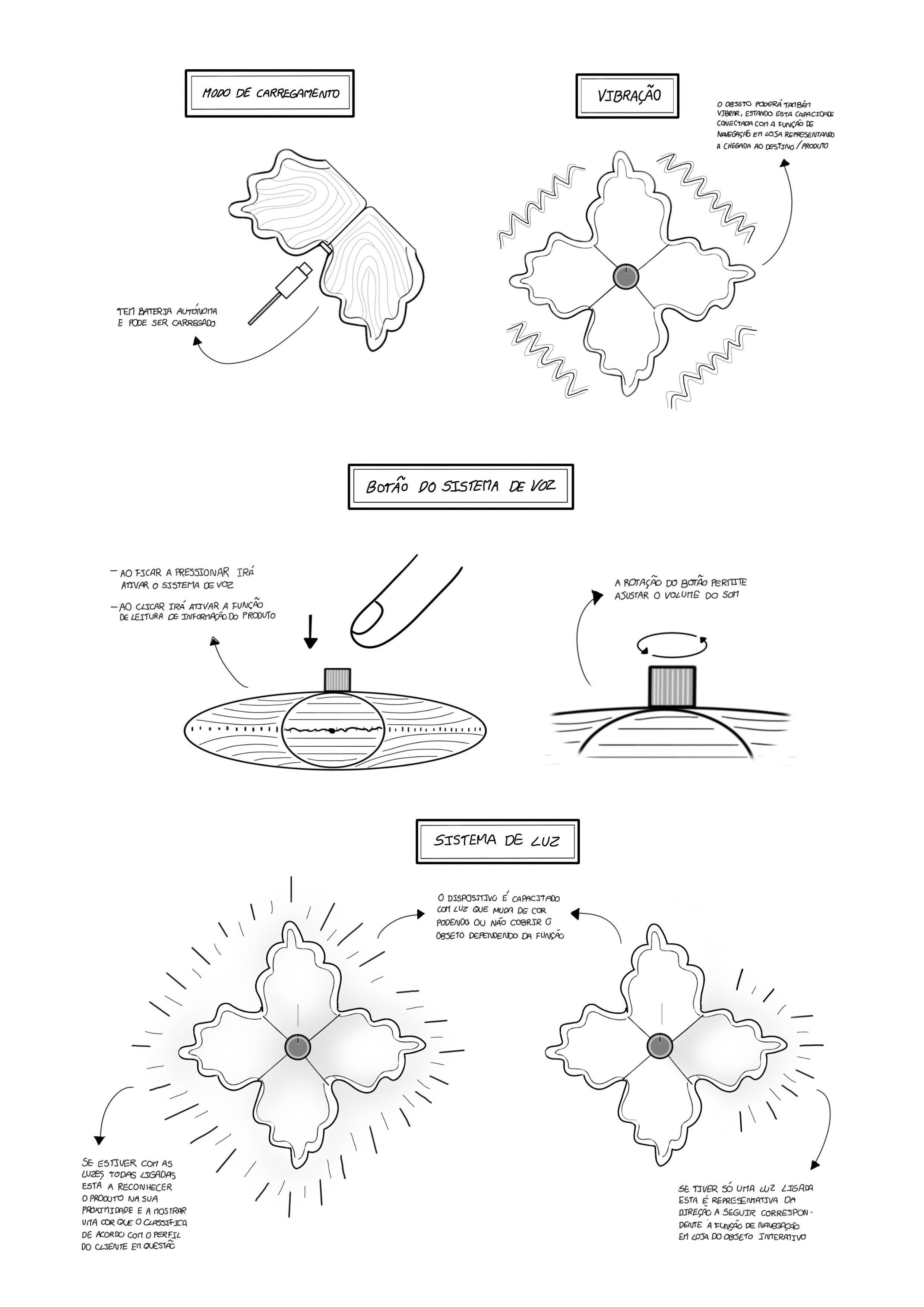
Prototyping process


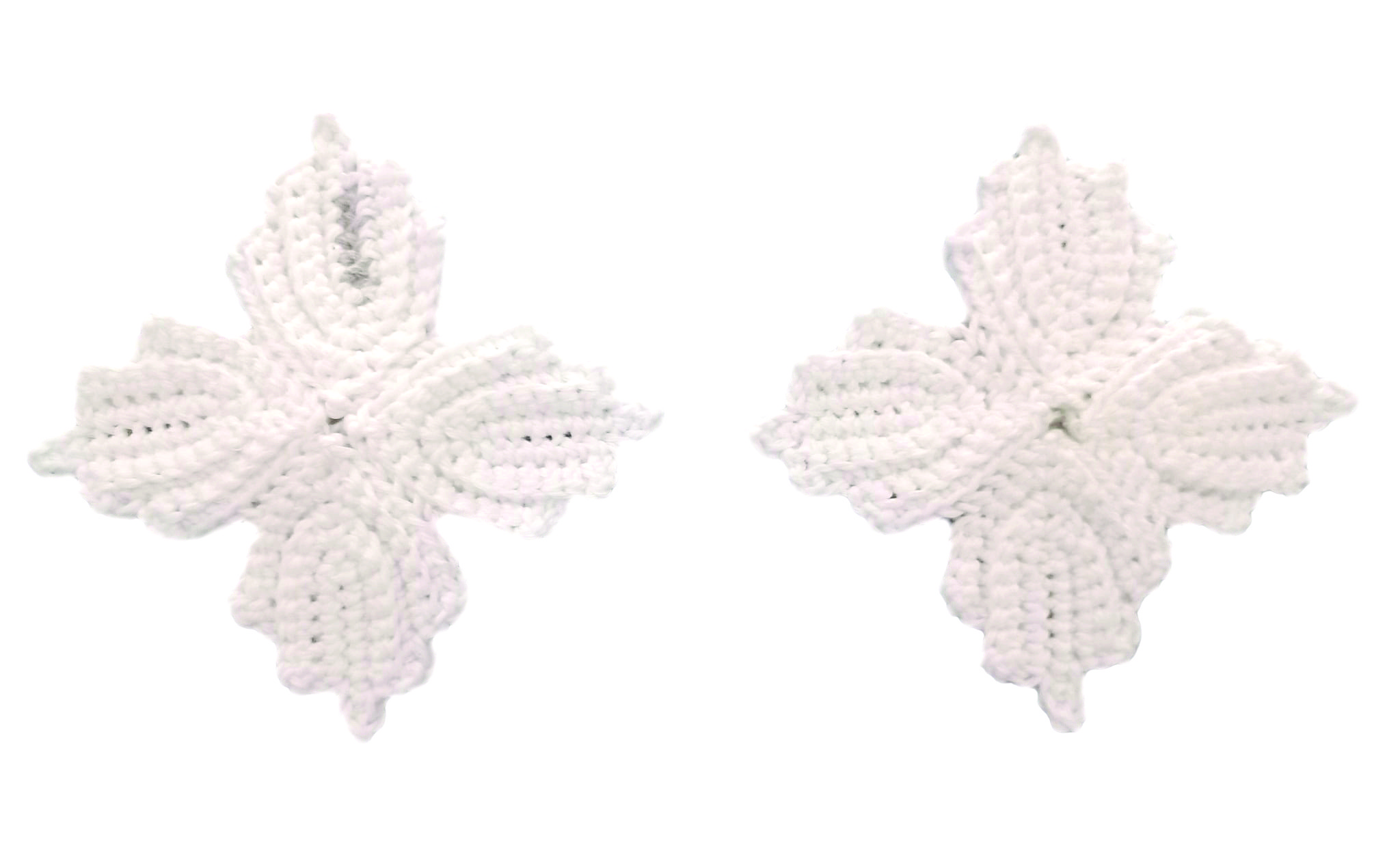
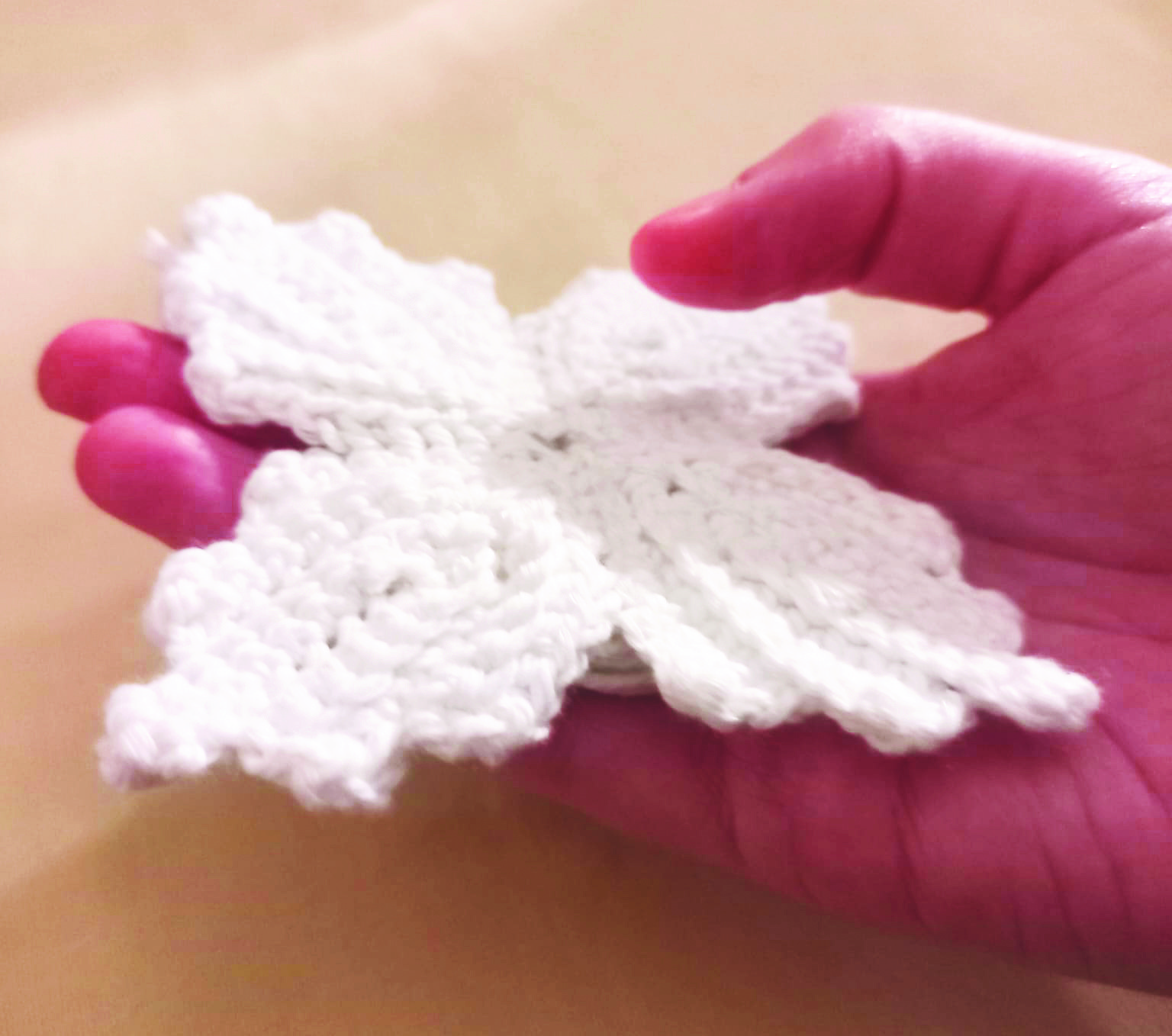
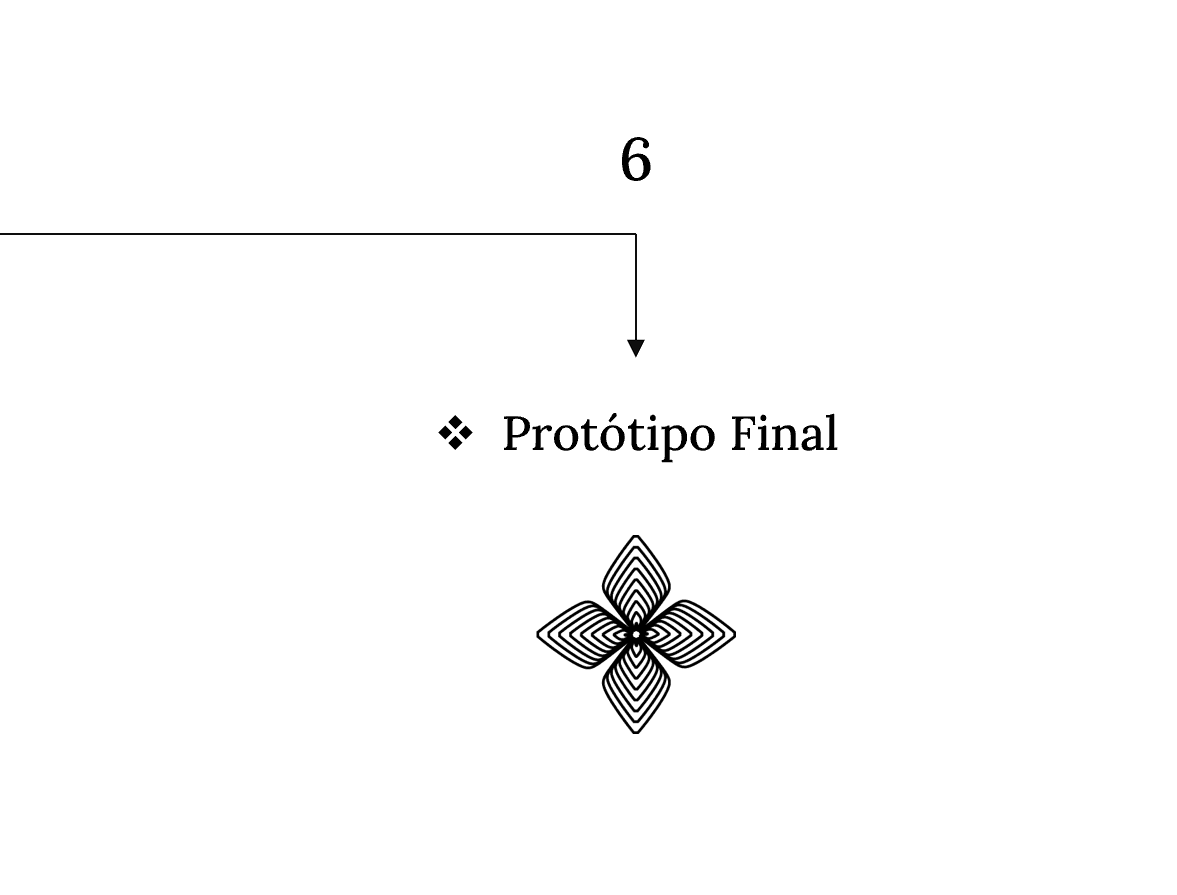
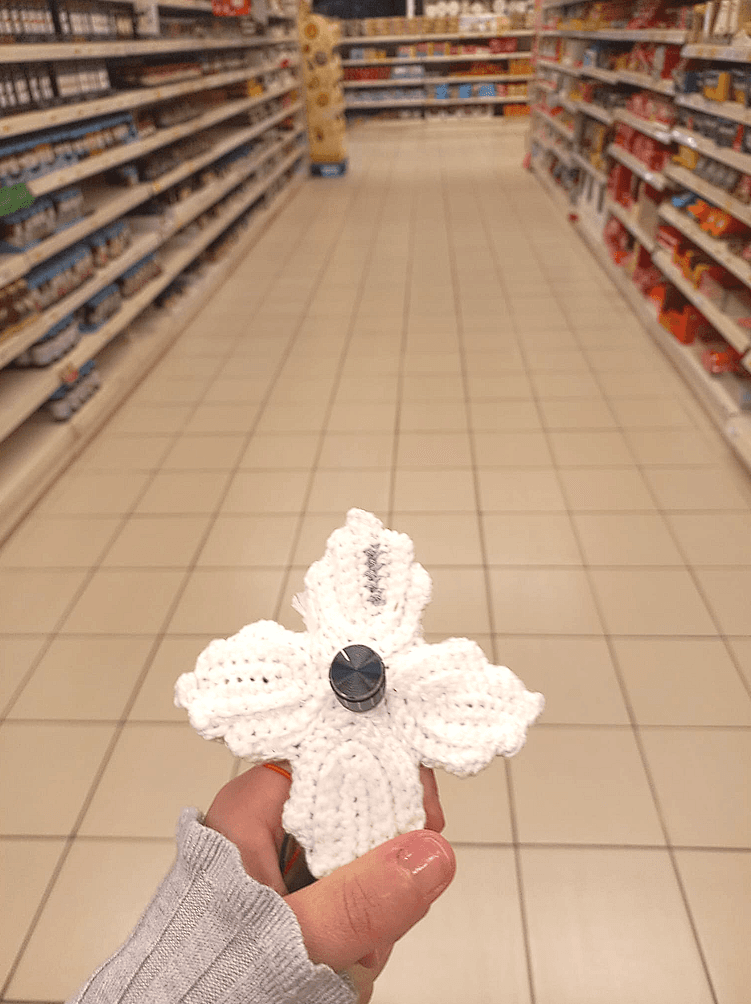
Final Prototype
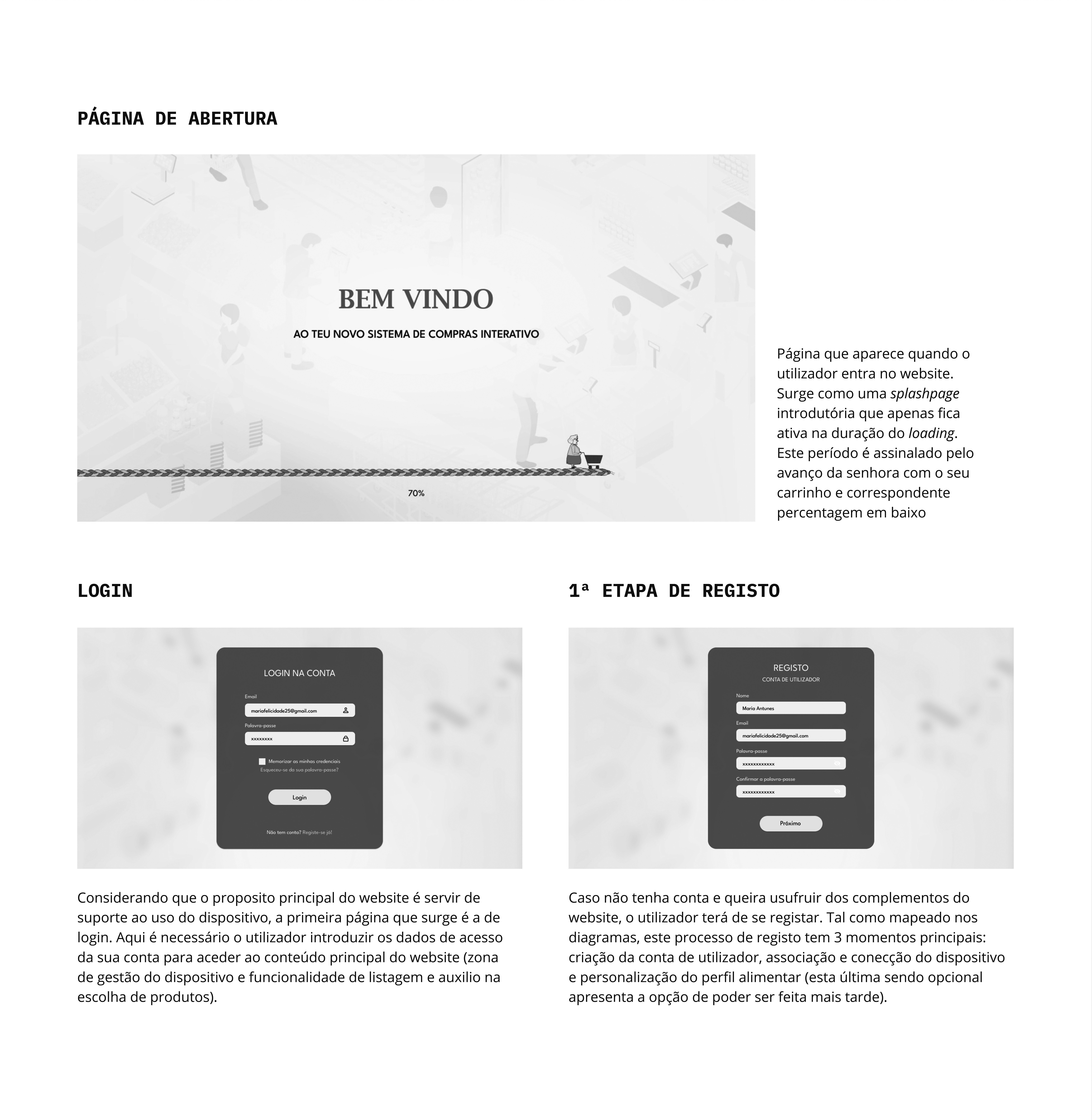
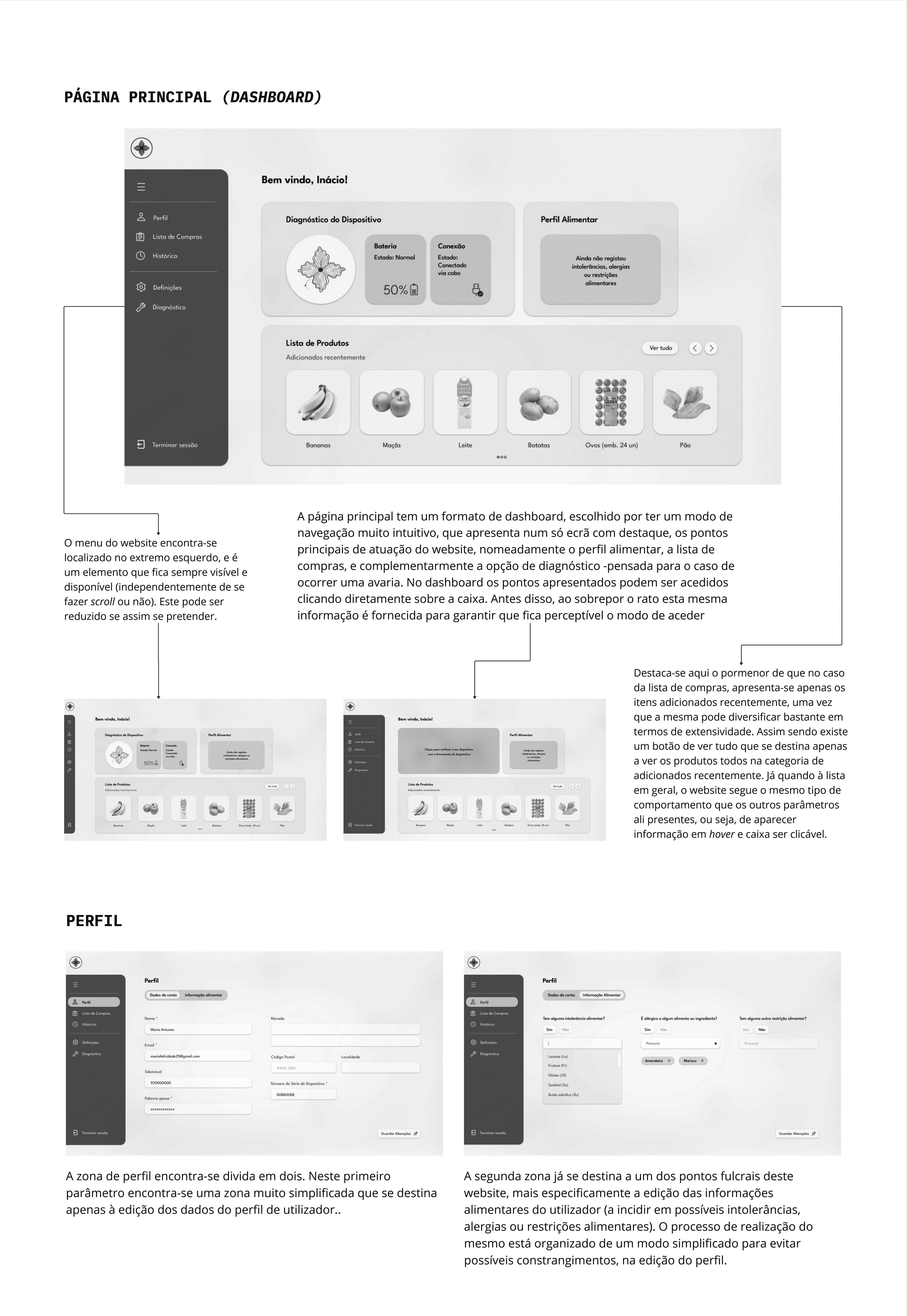
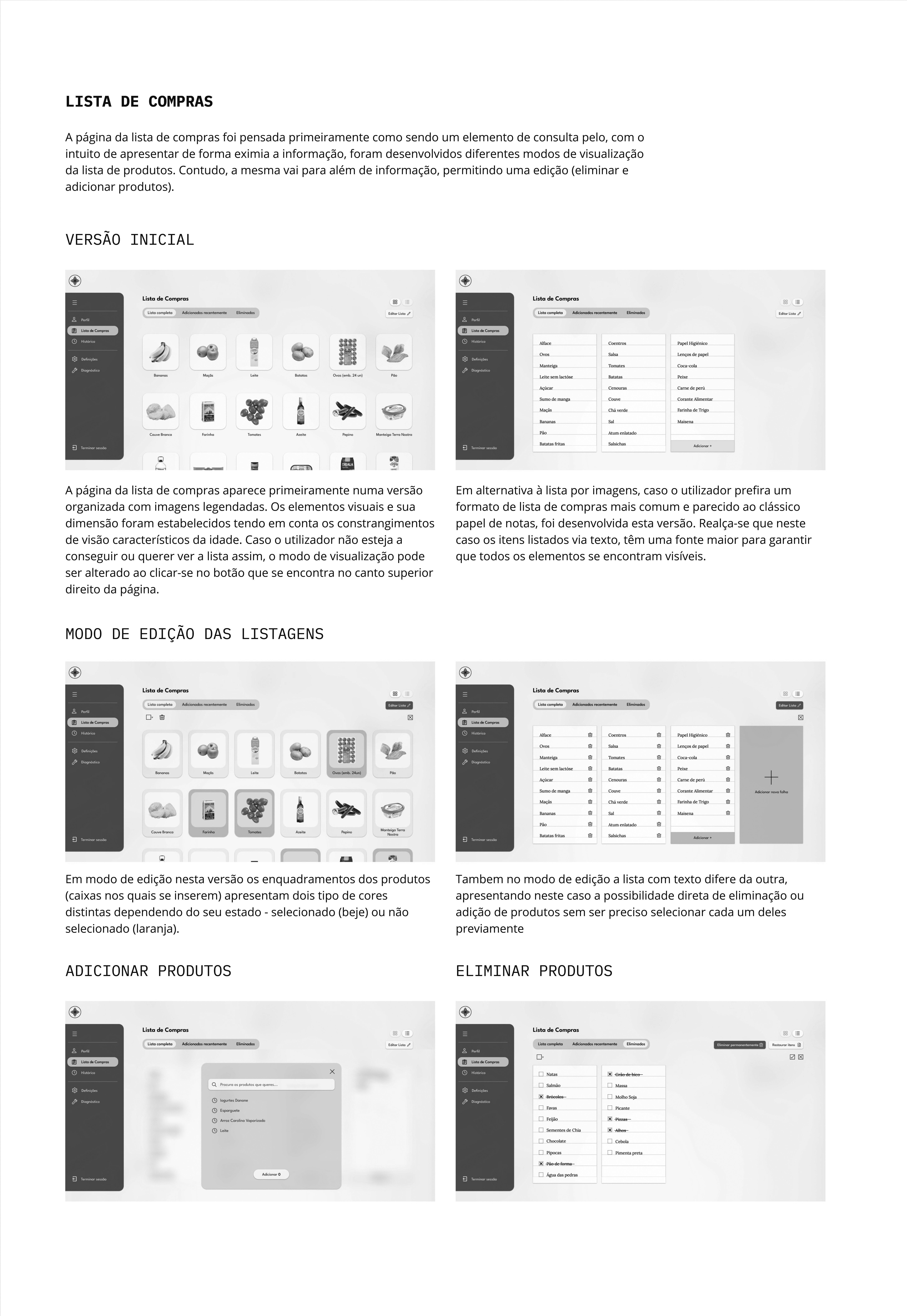
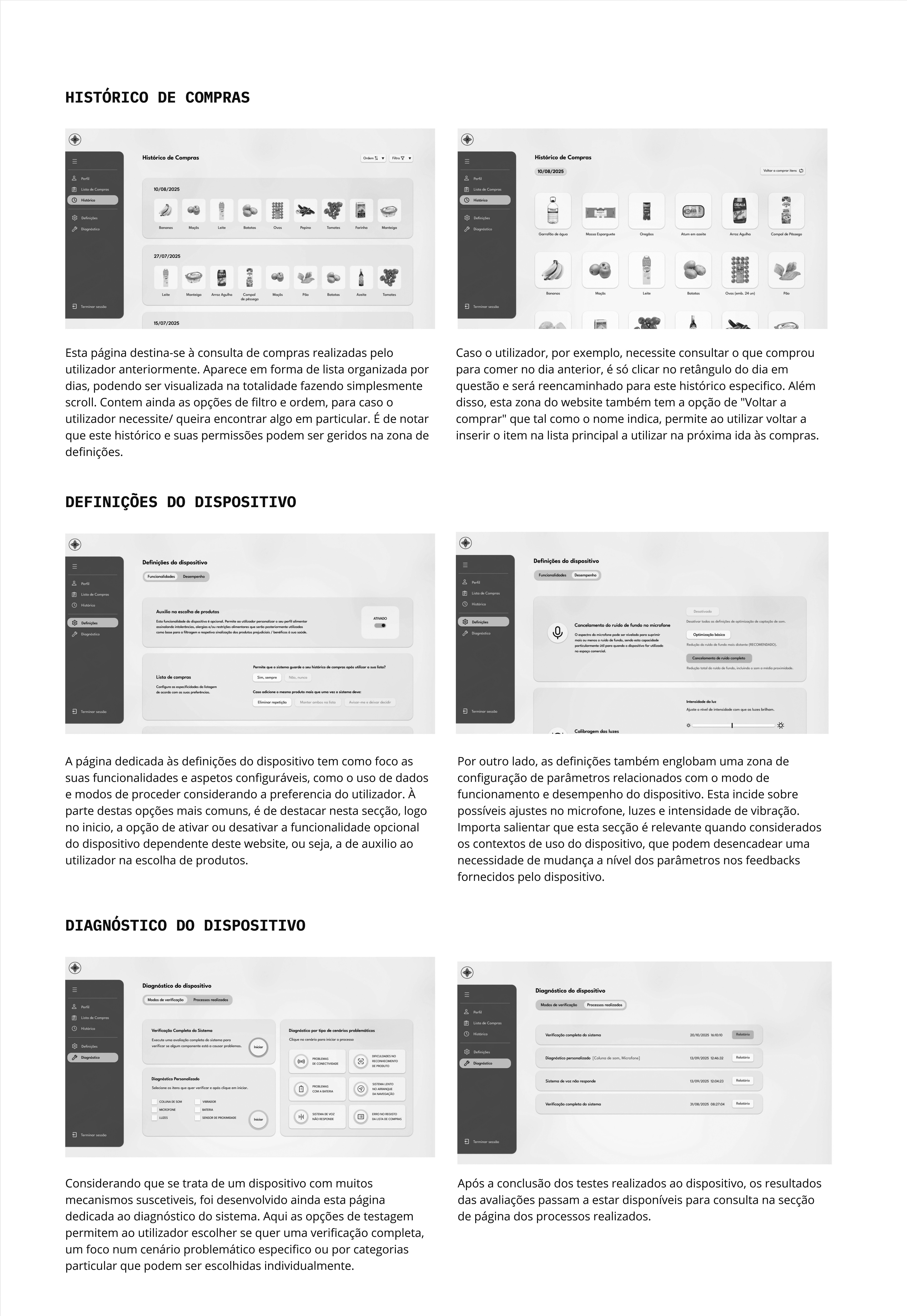
Complementary Website